When the Clock Hits 2:00: Why Football's Most Famous Timeout Changes Everything
When the Clock Hits 2:00: Why Football's Most Famous Timeout Changes Everything
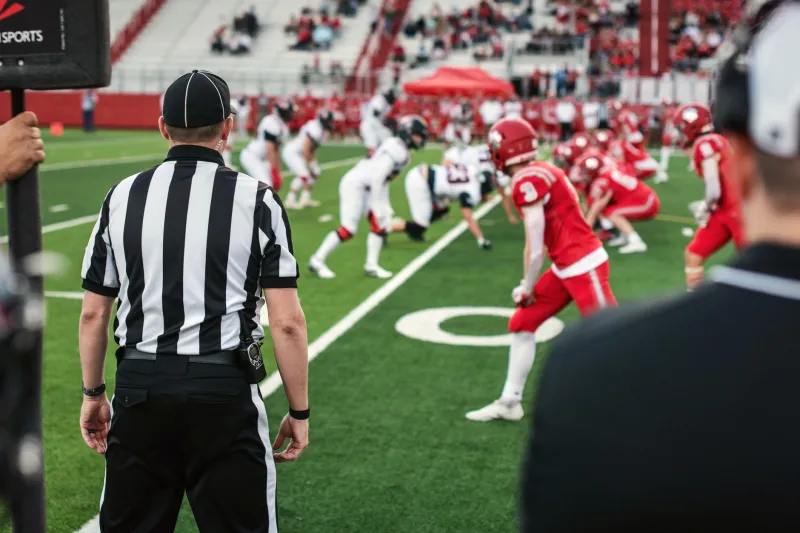
There's something magical that happens when an NFL referee blows his whistle and signals for the two-minute warning. The crowd noise shifts from steady roar to electric anticipation. Players gather in tight huddles, coaches frantically scribble on clipboards, and millions of fans across America suddenly lean forward in their chairs.
It's not just another timeout. It's the moment when football transforms from a game into pure theater.
The Unofficial Starting Gun
For casual fans, the two-minute warning might as well be the opening kickoff. Sure, there's been 58 minutes of football before it, but everything that happened earlier feels like warmup. This is when the real game begins.
Tom Brady understood this better than anyone. The Patriots legend treated the two-minute warning like his personal invitation to rewrite history. Remember Super Bowl LI? Down 28-3 to the Falcons, Brady used that final two-minute stretch of the second quarter to score a touchdown that shifted the entire momentum of the game. One drive, sparked by that crucial timeout, began the greatest comeback in Super Bowl history.
 Photo: Super Bowl LI, via www.dexerto.com
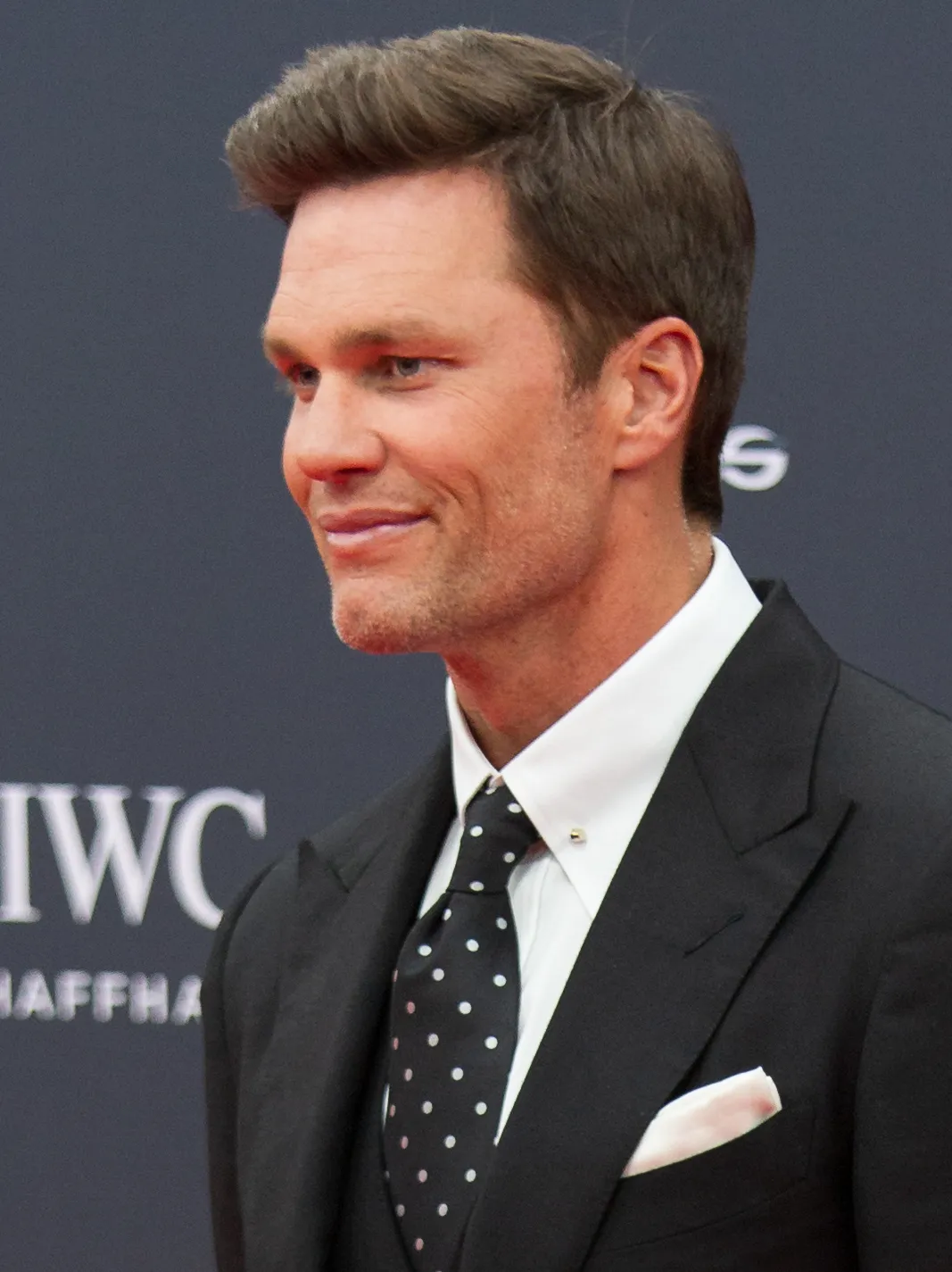 Photo: Tom Brady, via upload.wikimedia.org
"The two-minute warning is like hitting the reset button," former NFL quarterback Drew Brees once explained. "Everything before it is context. Everything after it is legacy."
Where Legends Are Born
The list of iconic two-minute drives reads like a who's who of NFL folklore. Joe Montana's perfect strike to John Taylor in Super Bowl XXIII. Aaron Rodgers' Hail Mary against the Cardinals that left an entire stadium speechless. Russell Wilson's four touchdown passes in the final quarter against Green Bay—all punctuated by that dramatic pause at the two-minute mark.
But it's not just about the quarterbacks. The two-minute warning creates heroes in the most unexpected places. Defensive backs who've been beaten all game suddenly find their moment to shine with a game-sealing interception. Kickers who've been automatic all season feel the weight of 70,000 screaming fans as they line up for a potential game-winner.
Malcolm Butler's goal-line interception in Super Bowl XLIX? That play happened with 26 seconds left, but the drama was built during that final two-minute sequence when the Seahawks drove down the field.
The Chess Match Begins
Coaches live for these moments. This is where Bill Belichick's reputation was forged—not in the film room or during practice, but in those pressure-packed two minutes when every decision matters. Do you use your timeouts early to stop the clock, or save them for the final seconds? Do you go for the touchdown or settle for the field goal?
 Photo: Bill Belichick, via catch-newz.com
Andy Reid, despite his reputation for clock management struggles, has mastered the art of the two-minute drill with Patrick Mahomes. Their connection during these crucial moments has become appointment television. When the Chiefs get the ball with two minutes left, opposing fans might as well start heading to the parking lot.
The strategic element adds another layer to the drama. Fans who barely understand a blitz suddenly become armchair coaches, screaming at their televisions about timeout usage and play calling. The two-minute warning democratizes football strategy—everyone thinks they know what the team should do next.
The Emotional Rollercoaster
What makes the two-minute warning so captivating isn't just the strategic chess match—it's the raw emotion. This is where grown men cry in the stands and where living rooms across America erupt in celebration or fall silent in despair.
The 2017 NFC Championship game between Minnesota and New Orleans perfectly captured this emotional whiplash. With 1:29 left, the Saints appeared to have sealed their trip to the Super Bowl with a touchdown. But the two-minute warning gave the Vikings one last chance, leading to the "Minneapolis Miracle"—Stefon Diggs' 61-yard touchdown that sent an entire city into delirium.
More Than Just Football
The two-minute warning has transcended sports to become part of American culture. It's referenced in movies, discussed at water coolers, and has spawned countless memes and social media moments. Non-football fans tune in specifically for these moments, knowing they're about to witness something special.
Restaurants and bars plan their evening rushes around potential overtime games that start with dramatic two-minute sequences. Fantasy football leagues are won and lost in these final moments. Betting lines shift dramatically based on which team has the ball when that warning sounds.
The Heartbreak and the Glory
For every Tom Brady miracle, there's a heartbreaking collapse on the other side. The Falcons' Super Bowl loss. The Seahawks' goal-line interception. The Saints' overtime loss to the Rams in the 2018 NFC Championship. These moments sting precisely because they happened in those final two minutes when everything seemed possible.
But that's what makes the two-minute warning so perfect. It's democracy in its purest form—both teams get their shot at immortality, and only one can seize it.
When that referee raises his arms and signals for the two-minute warning, he's not just stopping the clock. He's announcing that the next 120 seconds will determine who becomes a hero and who goes home with regrets. In a sport full of memorable moments, nothing quite compares to the electricity that fills the air when the game clock hits 2:00 and America holds its breath.