Brotherhood Before the Buzzer: Inside the Secret Rituals That Bind Sports Teams Together
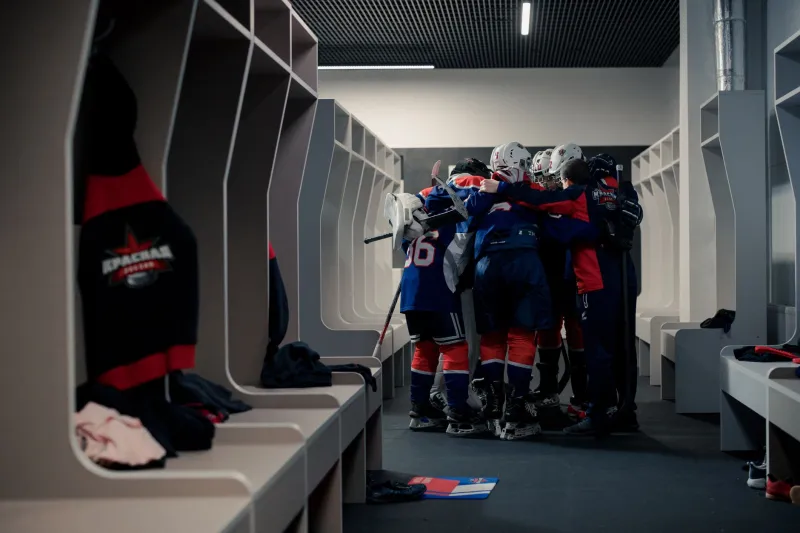
Walk into any professional locker room in America and you're stepping into something that feels less like a workplace and more like a members-only club. There's a playlist no one officially approved but everyone respects. There's a seat nobody sits in. There's a rookie who doesn't know yet that he's expected to carry the veterans' bags on road trips — and he's about to find out the hard way.
This is the stuff that never makes the highlight reel. But ask any player who's been part of a championship team, and they'll tell you the same thing: the trophy didn't start on the court or the field. It started in that room.
The Playlist Is Sacred
In the NFL, the pregame music situation is serious business. We're talking dead-serious. In most locker rooms, the right to control the speakers is an honor earned over years, not handed to whoever plugs in first. Veterans guard the aux cord like it's a starting roster spot.
Former players across the league have described the unspoken hierarchy around game-day music. You don't walk in as a first-round pick and start queuing up your personal favorites. You sit down, you listen, and eventually — maybe in year two or three — someone nods at you and hands over the phone. That nod means more than most people realize. It's acceptance. It's trust.
In the NBA, team playlists often become deeply tied to winning streaks. If a team goes on a ten-game run while a particular song is playing during warmups, that song becomes untouchable. Nobody requests it be changed. Nobody skips it. You ride the wave and you don't mess with what's working. Superstition? Sure. But winning teams don't tend to overthink it.
The Rookie Tax Is Very Real
Every sport has its version of the rookie initiation. In baseball, it's practically a formal institution. Young players arriving in the big leagues quickly discover that veteran clubhouse culture comes with a very specific set of expectations — and most of them involve some form of carrying, fetching, or wearing something embarrassing.
MLB rookies have been handed absurd Halloween costumes to wear on team flights for decades. It's tradition. Nobody forces anyone, technically, but social pressure in a clubhouse is its own kind of force. You wear the costume, you laugh about it, and suddenly you're part of something. You're not just a prospect anymore. You're a teammate.
In the NFL, rookie dinner duties are legendary. Veterans will organize a team dinner at the most expensive restaurant in whatever city they're visiting, hand the bill to the newest guy on the roster, and watch his face do the math. It sounds brutal, and the checks can run into five figures, but veterans will tell you that the guy who handles it with a grin earns more respect in that moment than from any play he makes on Sunday.
The point isn't hazing for its own sake. The point is finding out who can handle pressure, who has a sense of humor about themselves, and who understands that being part of a team means sometimes you're at the bottom — and that's okay.
The Superstitions Nobody Admits to Publicly
Ask an athlete directly if they're superstitious and most will laugh it off. Then watch them refuse to step on the foul line during warmups for the four hundredth consecutive game.
Pregame rituals in the NBA are some of the most elaborate in all of sports. Players have specific routes they walk from the locker room to the court. Some eat the exact same meal at the exact same time on every game day, right down to the restaurant and the seat they sit in. One missed step in the routine and the whole day feels off-kilter, even if the player won't admit it to a reporter.
In the NFL, offensive linemen are particularly well-known for their rituals. Tape jobs done in a precise order. Pads put on left side before right, every single time. Handshake sequences with teammates that look like choreographed performances. These aren't random habits. They're anchors. They tell the brain that everything is in order, that the body is prepared, that it's time to work.
Baseball players take it to another level entirely. The sport's long season — 162 games — means routines become almost meditative. Batters step into the box the same way every at-bat. Pitchers touch the rubber with a specific foot first. Fielders take warm-up grounders in the same exact pattern before every inning. In a sport built on failure — even the best hitters fail seven out of ten times — ritual becomes a way of controlling the uncontrollable.
The Unwritten Code of the Veteran
Beyond superstitions and music, there's a deeper layer of locker room culture that shapes everything: the veteran code. It's never written down. It's never formally explained. But every player who has spent time in a professional locker room knows it exists.
You don't throw a teammate under the bus in the media. Ever. You handle your business in the building. If there's a problem between players, it gets solved in the locker room, not on social media and not through passive-aggressive comments to beat reporters. The walls of the locker room are supposed to hold everything in.
In the NBA, veteran leaders set the tone for how a team responds to adversity. When a team is in a losing skid, the young players look to the experienced guys to see how to carry themselves. If the veterans stay even-keeled, keep their routines sharp, and refuse to panic, the energy in the room stays stable. If the veterans start pointing fingers, the whole thing unravels fast.
Championship teams almost always have a core of players who understand this. They're not necessarily the leading scorers or the faces on the billboards. They're the guys who know when to speak and when to shut up, when to push and when to let things breathe.
Why It All Matters
It's easy to reduce sports to numbers — stats, contracts, standings. But the teams that win consistently almost always have something going on beneath the surface that the box score can't capture. The shared playlist. The rookie who handled the dinner bill with a smile. The veteran who kept his cool when everything was falling apart.
Locker rooms are where athletes stop being individual performers and start becoming something bigger. The rituals are the glue. Silly as some of them seem from the outside, they create belonging, establish hierarchy in a healthy way, and build the kind of trust that makes a team willing to fight for each other when it actually counts.
The ball drops. The clock starts. But the real game? That already happened in the room.