Midnight Moves: The Last-Minute Trade Grabs That Flipped Playoff Races Overnight
Photo: NBA trade deadline front office general manager phone call sports, via cdn.nba.com
There's a particular kind of chaos that descends on professional sports every time a trade deadline rolls around. Reporters camp outside arenas. Agents field calls at 2 a.m. General managers sit hunched over phones, balancing spreadsheets against gut instincts. And then, right when everyone thinks the window has slammed shut, a deal drops that nobody saw coming — and suddenly, a team that looked like a first-round exit is talking about a deep run.
These are the moves that make deadline day must-watch television. Not the blockbusters that get teased for weeks, but the genuine heists — the ones pulled off in the final hours by front offices willing to gamble big when everyone else had already gone home.
The Art of the Quiet Conversation
The best deadline steals rarely start at the deadline. They start with a quiet phone call weeks earlier — a feeler, a hypothetical, a "what would it take" that gets filed away and revisited when the calendar gets tight.
Front offices that consistently land undervalued players at crunch time tend to share one trait: they've already done the homework. By the time the final day arrives, they're not scrambling to identify targets. They're simply waiting for the price to drop to where they want it.
That's the real secret behind the most stunning last-minute pickups. While rival teams are reacting to the market, the smartest operators are managing it — letting other buyers drive up costs on the obvious names while they circle back to the player everyone else forgot about.
When the Price Finally Falls
Consider the classic pattern: a player who was considered untouchable in October becomes available in February because a team is rebuilding faster than expected, or because a locker room situation has quietly deteriorated, or simply because a contender needs salary relief. The asking price, once astronomical, suddenly becomes reasonable — even cheap.
This is the window that sharp front offices live for. A player who brings playoff experience, positional versatility, or a specific defensive skill can transform a roster not by being the best player on the team, but by being exactly the right one. The kind of addition that doesn't show up on a highlight reel in November but absolutely shows up in a Game 6 defensive possession in May.
The NBA has produced some of the most memorable versions of this. A veteran big man who'd been deemed surplus by a rebuilding squad lands with a contender and becomes their anchor in the paint. A guard who hadn't started all season suddenly has a defined role and thrives in it. The change of scenery effect is real — and deadline day delivers it in concentrated bursts.
NFL Deadline Drama: Rarer, But Wilder
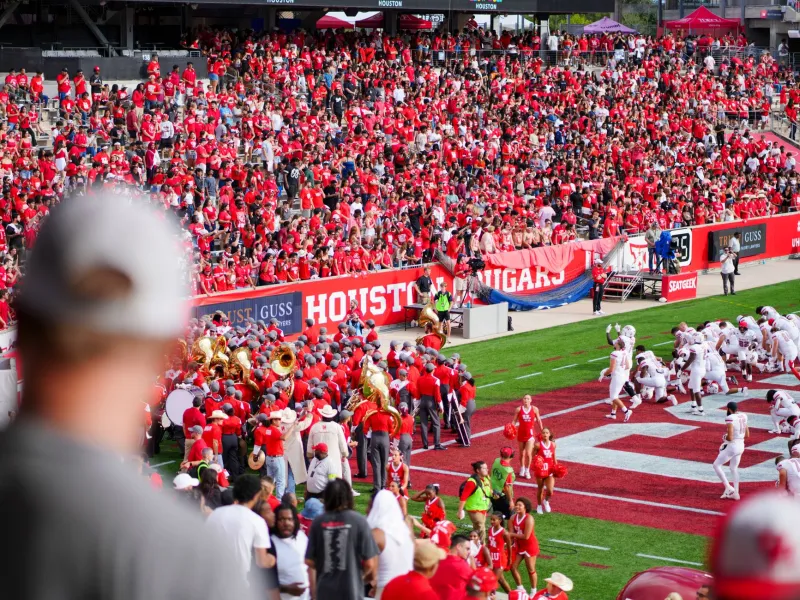
The NFL's trade deadline doesn't get the same theatrical treatment as the NBA or NHL, but when it fires, it fires loud. The league's short season means every deal carries enormous weight — adding even one quality piece to a roster can genuinely shift a team's trajectory over the final eight games and into the playoffs.
What makes NFL deadline deals particularly dramatic is the timeline. A player traded on a Tuesday might be suiting up for a completely different team by Sunday. There's no extended adjustment period, no preseason to get comfortable. You learn the playbook on a plane, you meet your new teammates at a walkthrough, and then you go play in front of 70,000 people.
The players who thrive in those situations — who can absorb a new system quickly and contribute immediately — are worth far more than their market price suggests. Smart front offices know which veterans have that adaptability, and they target them specifically when the deadline clock ticks down.
The Gamble That Pays Off
Not every last-minute deal is a steal, of course. For every inspired midnight acquisition, there's a panicked move made by a front office that convinced itself it was one piece away when it was actually four pieces away. Those deals tend to cost draft capital and young players without ever delivering the promised boost.
The difference between a heist and a mistake often comes down to clarity of purpose. The best deadline moves are made by teams that know exactly what they need and refuse to overpay for anything else. They're disciplined enough to walk away from a splashy name that doesn't fit and patient enough to find the quieter option that does.
There's also the human element — the player who arrives at a new team with something to prove. A guy who was buried on a deep roster suddenly becomes a featured piece. A veteran who felt underappreciated finds a coaching staff that actually wants him. That renewed energy isn't something you can quantify in a contract negotiation, but it shows up in performance, and the teams that factor it in tend to come out ahead.
Why the Final Hour Hits Different
There's something almost theatrical about the way deadline deals unfold in that final stretch. The longer a team waits, the more pressure builds — but also, sometimes, the better the opportunity gets. Sellers who haven't found a taker by noon on deadline day know their leverage is evaporating. That's when a prepared buyer can step in with a firm, fair offer and close a deal that would have cost twice as much a week earlier.
The teams that win deadline day aren't always the ones who made the biggest splash. Sometimes the winner is the franchise that stayed calm, identified a specific need, and found a way to fill it without giving up the future. Those moves don't always make the front page. But they show up in the standings, in the playoff bracket, and eventually — if everything breaks right — on a championship banner.
And that's what all those midnight phone calls are really about.