Fifteen Minutes to Glory: When Coaches Rewrite Games in the Locker Room
The Magic of the Intermission
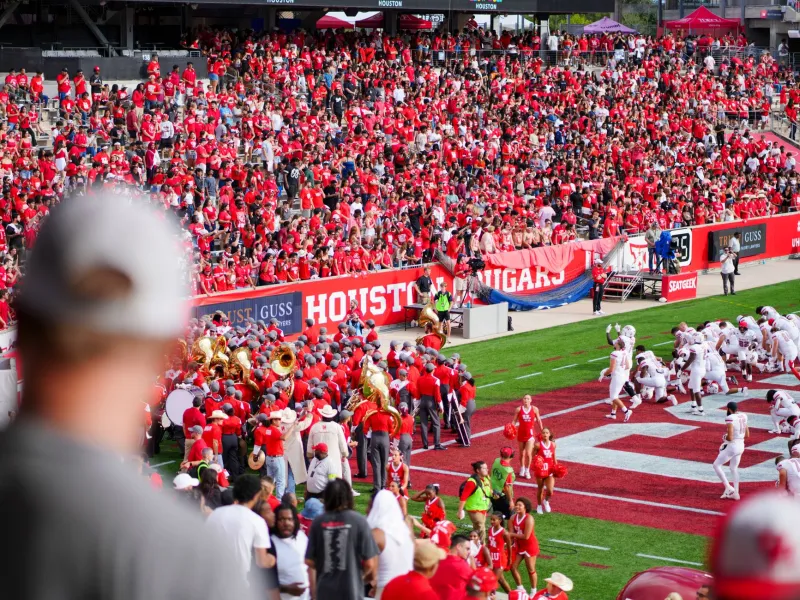
There's something almost mystical about halftime in American sports. Twenty-two minutes on the clock, players trudging off the field looking defeated, fans heading to concession stands shaking their heads. Then, fifteen minutes later, everything changes. The same team that looked completely outmatched suddenly becomes unstoppable.
It's not magic, though it might as well be. It's the art of the halftime adjustment, and the coaches who've mastered it have written some of the most unforgettable chapters in sports history.
When Patriots Became Legends
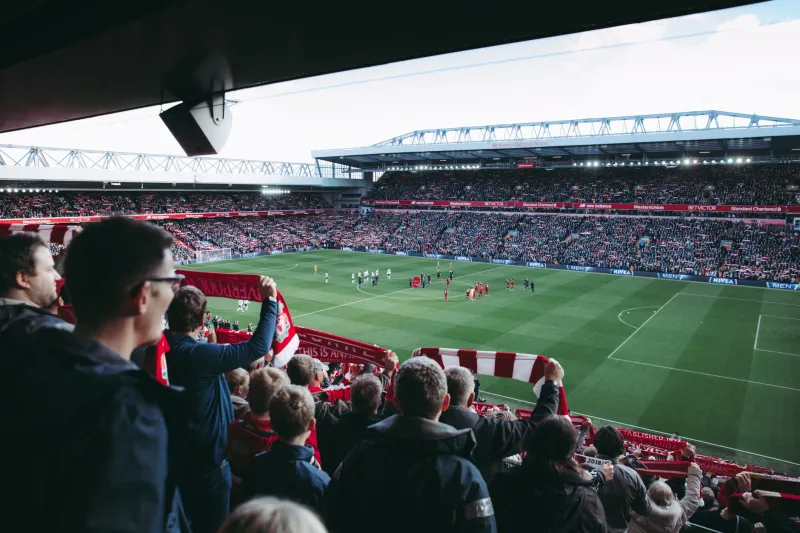
Super Bowl LI will forever be remembered as the night Tom Brady and the New England Patriots pulled off the impossible. Down 28-3 to the Atlanta Falcons, the Patriots looked finished. But in that Mercedes-Benz Stadium locker room, something clicked.
 Photo: Mercedes-Benz Stadium, via a.loveholidays.com
 Photo: Super Bowl LI, via livebeautifully.pl
Bill Belichick didn't panic. He didn't scream. Instead, he made surgical adjustments to the offensive line protection and simplified the passing game. More importantly, he reminded his players of who they were. The result? The greatest comeback in Super Bowl history, a 34-28 overtime victory that still gives Falcons fans nightmares.
 Photo: Bill Belichick, via i.ytimg.com
"The game's not over until it's over," became more than just a cliché that night. It became a blueprint for what's possible when coaching meets determination.
College Chaos and Championship Moments
College sports provide some of the most dramatic halftime turnarounds, partly because the emotional stakes feel even higher. Take the 2017 National Championship game between Alabama and Georgia. The Bulldogs dominated the first half, leading 13-0 and looking like they were about to end Alabama's dynasty.
Nick Saban made the call that defined the game: benching veteran quarterback Jalen Hurts for true freshman Tua Tagovailoa. It was a gutsy move that could have backfired spectacularly. Instead, Tagovailoa sparked a comeback that culminated in a 26-23 overtime victory and cemented Alabama's place in college football immortality.
The decision showed what separates good coaches from great ones – the willingness to make bold moves when everything's on the line.
The Science Behind the Comeback
What actually happens during those fifteen minutes that can completely flip a game? It's part psychology, part strategy, and part pure leadership. Great coaches use halftime to diagnose what's going wrong tactically while simultaneously managing the emotional state of their team.
In basketball, it might be switching from man-to-man defense to a zone that confuses the opponent's offensive rhythm. In football, it could be abandoning the running game that isn't working and unleashing a no-huddle passing attack. The key is having the courage to admit what isn't working and the wisdom to know what will.
The Emotional Reset Button
Beyond X's and O's, halftime serves as a crucial emotional reset. Players who've been pressing too hard get a chance to breathe. Those who've been playing tentatively get fired up. It's where championship teams separate themselves from pretenders.
The greatest halftime speeches aren't always the fiery, motivational movie moments we imagine. Sometimes they're quiet, focused conversations about executing fundamentals. Other times, they're passionate reminders of what's at stake.
Modern Masters of the Moment
Today's coaches have elevated halftime adjustments to an art form. Steve Kerr's Golden State Warriors have made a habit of coming out of halftime with completely different looks that catch opponents off guard. In the NFL, Sean McVay's ability to script second-half drives has become legendary.
These coaches understand that halftime isn't just a break in the action – it's an opportunity to gain a psychological and tactical advantage that can decide championships.
The Legacy of the Locker Room
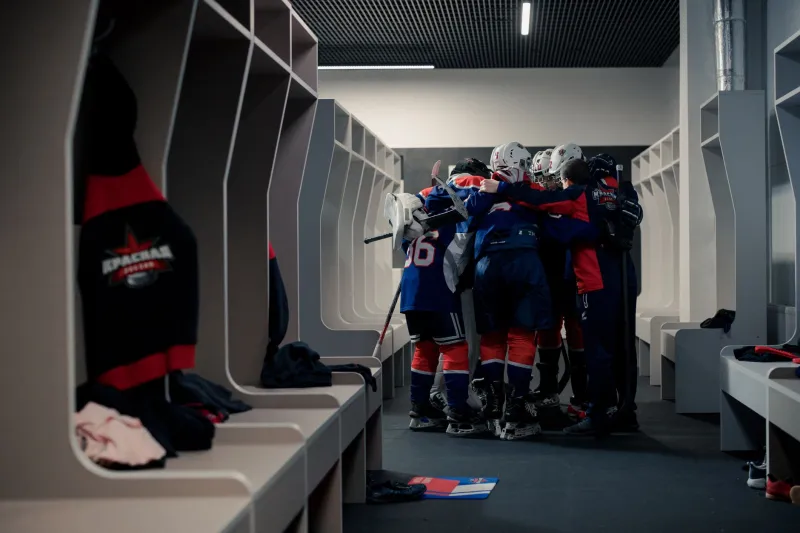
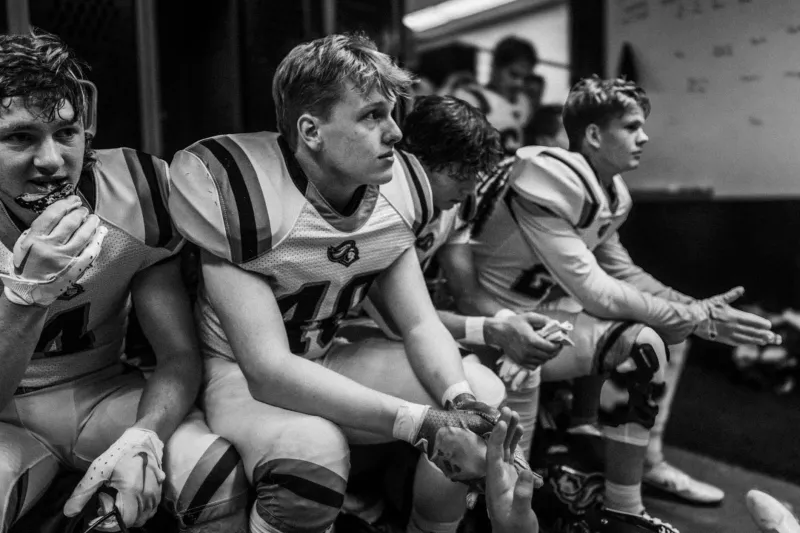
Every great comeback has a halftime story behind it. Whether it's a coach drawing up the perfect play on a whiteboard or delivering words that inspire a team to reach beyond what they thought possible, these fifteen-minute intervals have shaped sports history.
The next time you're watching a game and a team comes out completely transformed in the second half, remember: you're witnessing one of sports' most underappreciated art forms in action. In those brief moments between halves, legends are born and championships are won.