America's Greatest Sunday: How a Football Game Became Our Most Unifying Spectacle
America's Greatest Sunday: How a Football Game Became Our Most Unifying Spectacle
Every February, something remarkable happens across America. For one Sunday afternoon, the entire country hits pause. Grocery stores empty out. Movie theaters sit vacant. Even the most ardent non-sports fans find themselves gathered around televisions, not necessarily for the game, but for the event.
The Super Bowl has evolved far beyond its origins as a championship football game. It's become America's most successful cultural export to itself—a four-hour celebration that somehow manages to unite a divided nation under one roof.
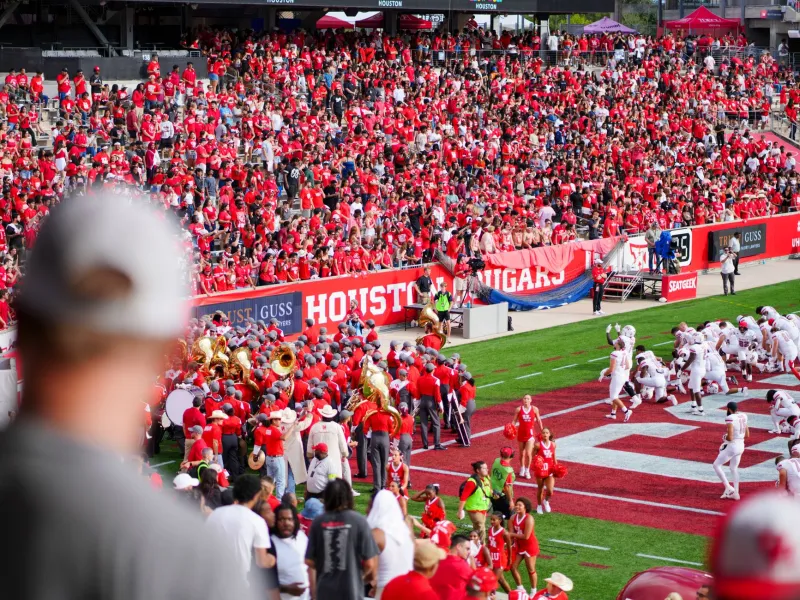
 Photo: Super Bowl, via thefappeningblog.com
From Championship to Cultural Phenomenon
The transformation didn't happen overnight. The first Super Bowl in 1967 was simply the AFL-NFL Championship Game, watched by 24 million people in a country still figuring out what professional football could become. The halftime show featured marching bands and a guy with a jetpack. Tickets cost twelve dollars.
Fast-forward to today, and the Super Bowl regularly draws over 100 million viewers—roughly one-third of the entire American population. The halftime show features global superstars performing on stages that cost more than some small countries' GDP. Tickets start in the thousands and climb into the stratosphere.
But the numbers only tell part of the story. The real magic lies in who's watching and why.
The Great Unifier
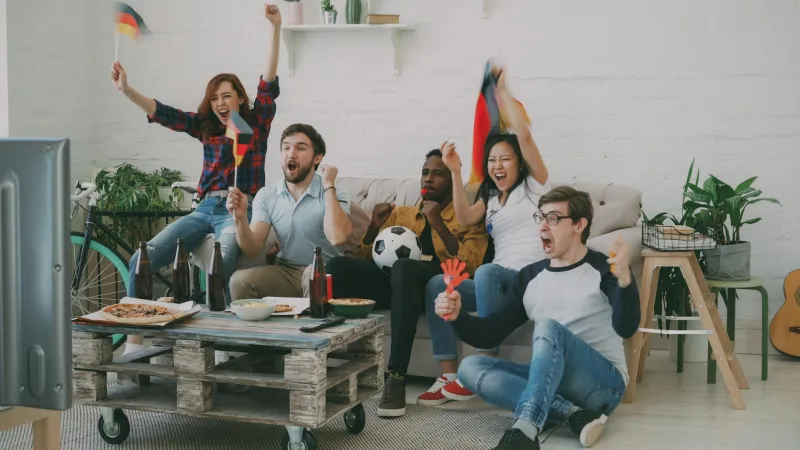
"I don't even like football, but I love the Super Bowl," has become America's unofficial motto every February. Walk into any Super Bowl party, and you'll find an eclectic mix of humanity: die-hard football fans analyzing every play call, casual viewers there for the social experience, commercial enthusiasts who only pay attention during breaks, and halftime show devotees who treat the musical performance like their own personal concert.
This diversity of interest is the Super Bowl's secret weapon. Unlike other major sporting events that cater primarily to existing fans, the Super Bowl has managed to create multiple entry points for engagement. You can enjoy it as a football game, a television spectacle, a social gathering, or all of the above.
The Commercial Olympics
Somewhere along the way, Super Bowl commercials became their own form of entertainment. Companies spend millions not just on airtime, but on production values that rival major motion pictures. The ads have become so integral to the experience that people actively look forward to them, discussing favorites the next day like movie reviews.
This phenomenon has created something unique in American culture: appointment advertising. In an era of DVRs and streaming services, the Super Bowl represents one of the few times when people actively choose to watch commercials. The ads have become part of the show, complete with their own highlights and controversies.
The cultural impact extends beyond Sunday night. Super Bowl commercials launch careers, create viral moments, and sometimes generate more discussion than the game itself. Who can forget the Budweiser Clydesdales, the E-Trade babies, or the year everyone argued about whether that dress was gold and white or blue and black? (Wrong event, but you get the idea.)
Halftime: When Football Takes a Back Seat
If commercials turned non-fans into casual viewers, the halftime show transformed them into active participants. What started as marching band performances has evolved into the most-watched musical event of the year, featuring artists at the peak of their careers performing career-spanning sets on stages that defy engineering logic.
Prince in the rain. Beyoncé's Formation announcement. Lady Gaga's roof jump. Jennifer Lopez and Shakira turning Hard Rock Stadium into the world's largest dance club. These performances transcend sports and become cultural moments that define entire years.
 Photo: Hard Rock Stadium, via upload.wikimedia.org
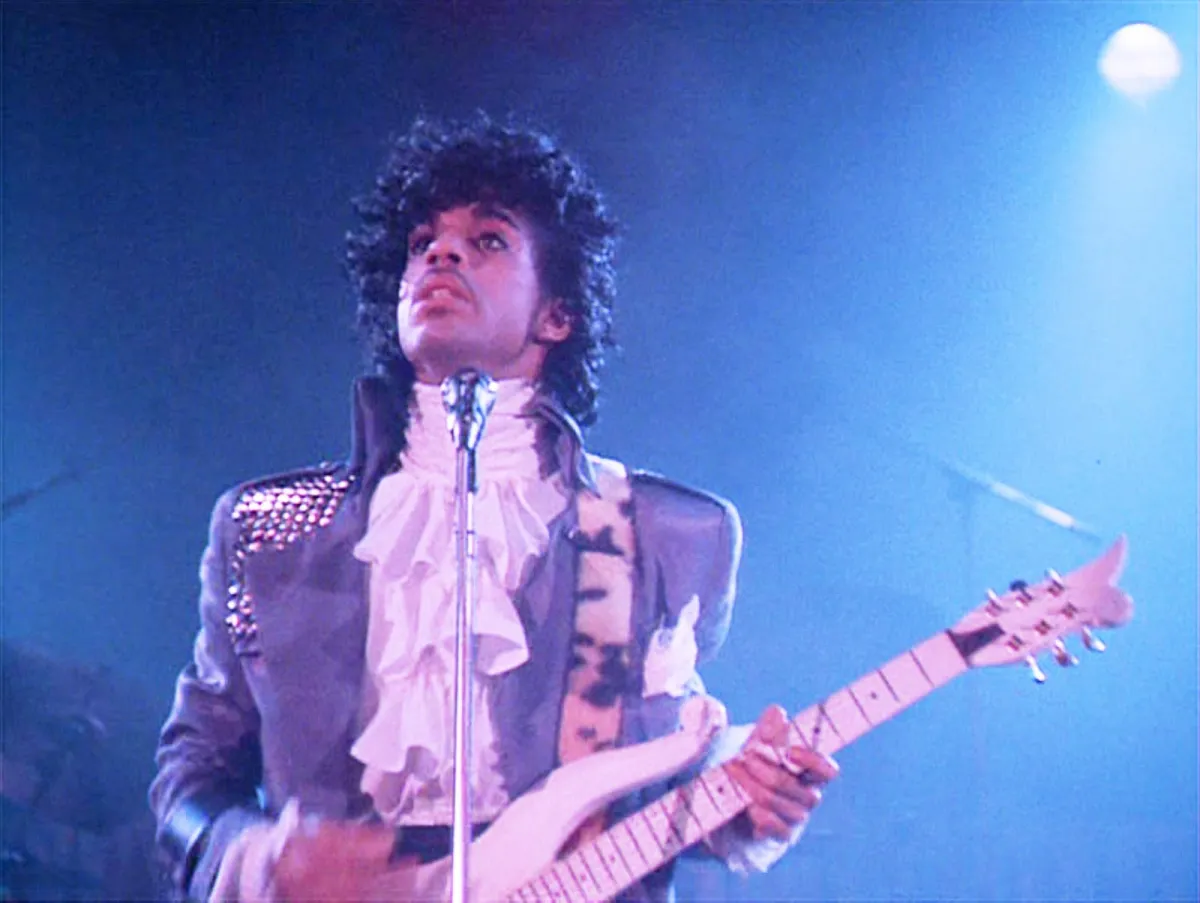 Photo: Prince, via b-sides.tv
The halftime show has become so significant that it generates its own news cycles, predictions, and analysis. Music fans who couldn't care less about touchdowns tune in specifically for those 12-15 minutes of pure spectacle. The performance often becomes the most-discussed aspect of the entire evening.
The Party That Unites America
Super Bowl Sunday has quietly become America's most successful secular holiday. Unlike other major events that divide along cultural, political, or regional lines, the Super Bowl manages to bring together people from all backgrounds for a shared experience.
The statistics are staggering: Americans consume 1.4 billion chicken wings, 11 million pounds of potato chips, and enough beer to fill 500 Olympic-sized swimming pools during the game. But more importantly, they do it together. An estimated 25 million people attend Super Bowl parties, making it one of the most social events on the American calendar.
These gatherings have their own traditions and rituals. The elaborate spread of food that takes days to prepare. The friendly wagering on everything from the coin toss to the length of the national anthem. The annual debate over whether to actually watch the game or just treat it as background noise for socializing.
Beyond the Game
The Super Bowl's cultural significance extends far beyond entertainment. It's become a economic force that impacts everything from television advertising rates to guacamole sales. Cities compete fiercely to host the event, knowing it brings hundreds of millions of dollars in economic impact.
The game has also become a platform for social and political statements, from Colin Kaepernick's protest movement to the NFL's various awareness campaigns. Whether people agree with these messages or not, the Super Bowl's massive platform ensures they're part of the national conversation.
The Streaming Generation
Even as traditional television viewership declines across all demographics, the Super Bowl continues to draw massive audiences. Younger viewers who have never sat through a full regular-season game still show up for the Super Bowl experience. They may be watching on their phones, live-tweeting the commercials, or streaming the halftime show on multiple devices, but they're still participating in the shared cultural moment.
This adaptability has helped the Super Bowl maintain its relevance across generational divides. Grandparents and grandchildren may disagree on everything from politics to pizza toppings, but they can still bond over a spectacular halftime show or a particularly clever commercial.
The February Tradition
What makes the Super Bowl truly special isn't just its size or spectacle—it's its reliability. In an increasingly fragmented media landscape, the Super Bowl represents one of the few guaranteed shared experiences left in American culture. Every February, without fail, the country comes together for four hours of collective entertainment.
It's become the cultural equivalent of comfort food: familiar, satisfying, and somehow essential. Whether your team is playing or not, whether you understand football or not, whether you're watching for the game or the commercials or the halftime show, the Super Bowl offers something for everyone.
In a time when Americans seem to agree on very little, we've somehow reached consensus on one thing: the first Sunday in February belongs to all of us, and we're going to celebrate it together, one spectacular, over-the-top, uniquely American spectacle at a time.