Sixty Seconds, Shattered Seasons: The Injuries That Broke Championship Dreams
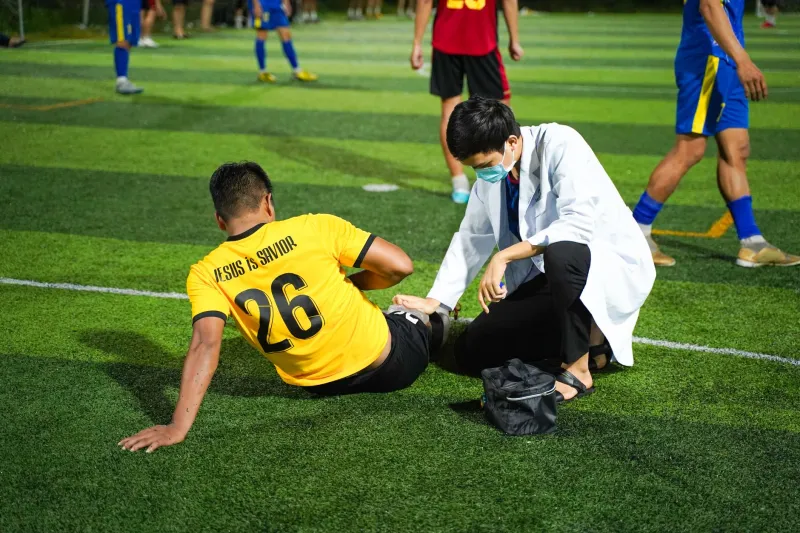
It happens faster than you can process it. A player plants their foot wrong, takes a hit from behind, or just lands funny after a routine jump. The crowd goes quiet. The medical staff sprints onto the field. And somewhere in the front office, a general manager's phone starts blowing up with calls that nobody wants to make.
Mid-season injuries to key players aren't just bad news — they're franchise-altering events. The kind that turn a 12-win team into a wild card bubble squad, or transform a legitimate NBA Finals contender into a team just trying to stay healthy enough to make the postseason. And the cruelest part? It usually happens in a blink.
The November Curse
Ask any sports doctor and they'll tell you the same thing: the middle stretch of any major season is where bodies start breaking down. The preseason conditioning has worn off, the schedule is relentless, and players are pushing through the kind of fatigue that doesn't show up on any official report.
"There's a reason we see so many of the big ones go down in October and November," one NFL team physician explained during a league medical summit. "Players are deep enough into the season that their bodies are fatigued, but they're still playing with full intensity because the season is young enough that every game feels critical."
The NFL has seen this pattern play out brutally over the years. Teams that looked like Super Bowl locks in September have watched their entire identity disappear on a single snap. When a franchise quarterback goes down, it's not just a personnel problem — it's a psychological earthquake that shakes every locker room corner.
When the Roster Card Gets Flipped Upside Down
The real test of an organization isn't how it performs when everything is going right. It's what happens in the 72 hours after the MRI results come back and the timeline reads "six to eight weeks" — or worse, "season-ending."
Franchises that recover quickly from catastrophic injuries tend to share a few things in common. They have depth that was built with intention, not accident. They have coaches who can adapt schemes rather than force the same system through a completely different roster. And they have a front office that moves fast.
"The teams that survive major injuries are the ones that didn't panic-build their depth," said one veteran NFL analyst. "They drafted with foresight. They kept veterans around who know the system. When the starter goes down, the backup already understands the playbook."
The teams that collapse? Usually the ones who built their entire identity around a single player without thinking through what comes next.
Basketball's Brutal Reality
In the NBA, the injury problem hits differently because rosters are smaller and star players carry a heavier individual load. When Kevin Durant went down in the 2019 Finals, it didn't just hurt Golden State — it ended an era. When Kawhi Leonard's knee issues derailed Toronto's ability to build on their championship, an entire franchise's trajectory shifted.
But beyond the superstars, it's the secondary injuries that often hurt most. Lose your best perimeter defender in January, and suddenly every opposing guard is having a career month against you by March. The ripple effects are massive and they compound over time.
NBA teams have started investing heavily in load management and sports science precisely because of this reality. The goal isn't just to keep players healthy for individual games — it's to make sure they're still functional come April and May when everything actually counts.
Baseball's Long Haul Problem
Of all the major American sports, baseball might be the one where a single injury does the most structural damage. Lose your ace pitcher in June and you're not just down a starter — you're watching your entire rotation unravel as everyone shifts up a slot and suddenly your fourth starter is facing playoff-caliber lineups every fifth day.
The 162-game season means there's technically time to recover. But baseball's depth requirements are so specific — you can't just plug a utility infielder into a rotation spot — that certain injuries simply cannot be compensated for no matter how smart your front office is.
"Pitching injuries are different," one MLB front office executive explained. "You can trade for a bat in July. You can promote a slugger from Triple-A. But when your top two arms go down? That's a problem that money and creativity can't fully solve."
The Teams That Found a Way
For every season derailed by injury, there's a counter-story. The 2022 Golden State Warriors played significant stretches of the season without key rotation pieces and still won the championship. The 2004 Detroit Pistons played through injury chaos and dismantled a Lakers squad that had every healthy advantage imaginable.
The common thread in those comeback stories isn't talent — it's culture. Teams that have built genuine accountability and trust between players don't fall apart when the injury report gets long. They find different guys stepping into bigger roles, different lineups discovering unexpected chemistry, different coaches unlocking solutions nobody saw coming.
"Injuries reveal what a team is actually made of," one longtime NFL coach said. "When everything's going well, everyone looks great. It's when things go sideways that you find out who your team really is."
Why Some Never Recover
The teams that collapse after major injuries usually have deeper problems that the injury just exposed. A locker room that was already fractured. A coaching staff that couldn't adapt. A front office that had built the entire competitive window around one player's peak years without a real backup plan.
The injury didn't break them. It just revealed the cracks that were already there.
For fans watching their team's season unravel after a brutal injury report, that's cold comfort. But it's worth remembering: the franchises that build right — that invest in depth, culture, and adaptability — are the ones that find a way to compete even when the worst happens.
Because in pro sports, the worst always happens eventually. The question is just whether your organization was ready for it.