Second Half Takeovers: The Greatest Game-Flipping Moments in Sports History
There's a reason coaches say a game is never over at halftime. Sports fans have watched it happen too many times — a team walks off the field looking dead and buried, disappears into the tunnel, and then storms back out like a completely different squad. The scoreboard gets wiped clean in spirit, even if the numbers don't reset. What happens in those quiet, frantic minutes between halves is one of sport's greatest mysteries — and greatest dramas.
This isn't about X's and O's. It's about the moments where momentum did a full 180 and left everyone in the stadium — and watching at home — completely stunned.
The Comeback That Rewrote Super Bowl History
Let's start with the big one. Super Bowl LI. New England Patriots versus the Atlanta Falcons. By the third quarter, Atlanta was up 28-3, and millions of Americans were already switching over to something else. Sports bars were emptying out. Social media was writing the eulogy.
Then something shifted.
What happened in that locker room at halftime — and in the frantic moments between possessions — has become the stuff of legend. The Patriots didn't just chip away at the lead. They erased it entirely, forced overtime, and won the whole thing. It remains the greatest comeback in Super Bowl history, and it all started with a collective decision made somewhere between the field and the tunnel: we're not done.
Players have since talked about how calm Tom Brady was. How the coaches didn't panic. How the energy in that locker room never felt desperate — it felt focused. That's the difference between teams that fold and teams that flip the script.
 Photo: Tom Brady, via www.washingtonpost.com
When the NBA Finals Turned on a Dime
The 2016 NBA Finals gave us a different kind of halftime story — one stretched across an entire series. Cleveland trailed Golden State three games to one, a deficit that had never been overcome in Finals history. Every halftime adjustment, every timeout conversation, every locker room moment in Games 5, 6, and 7 carried enormous weight.
Game 7 itself was a masterclass in second-half intensity. Tied going into the fourth quarter, both teams grinding and gasping, the Cavaliers found something extra when it mattered most. LeBron James's iconic chase-down block and Kyrie Irving's three-pointer late in the fourth were the visible moments — but behind them were hours of adjustments, conversations, and decisions made far from the cameras.
 Photo: LeBron James, via news4sanantonio.com
That series reminded everyone that halftime isn't just a break. It's a reset button that only the mentally toughest teams know how to press.
The College Football Locker Room Nobody Talks About
College football has its own rich tradition of halftime flips. Programs with big resources and elite coaching staffs have turned halftime into an art form. Alabama under Nick Saban became almost mythical in this regard — games that looked competitive at the break would somehow turn into blowouts by the third quarter.
But it's the underdog stories that really catch fire. Think of the smaller programs that went into halftime down two or three scores against ranked opponents and came out with fire in their eyes. The 2007 Fiesta Bowl, where Boise State trailed Oklahoma and then pulled off one of the most creative and electric second halves in college football history, ending with trick plays that made the whole country stop and stare. That game didn't just flip — it became a cultural moment.
What Actually Happens in Those Fifteen Minutes
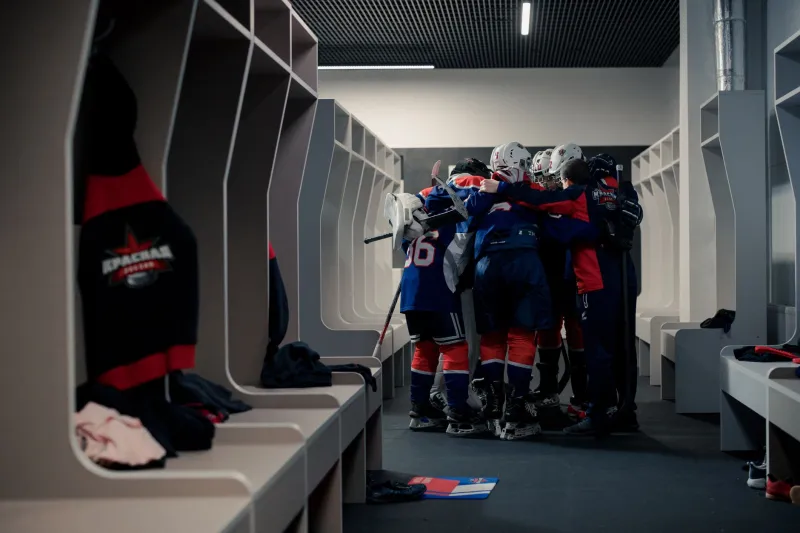
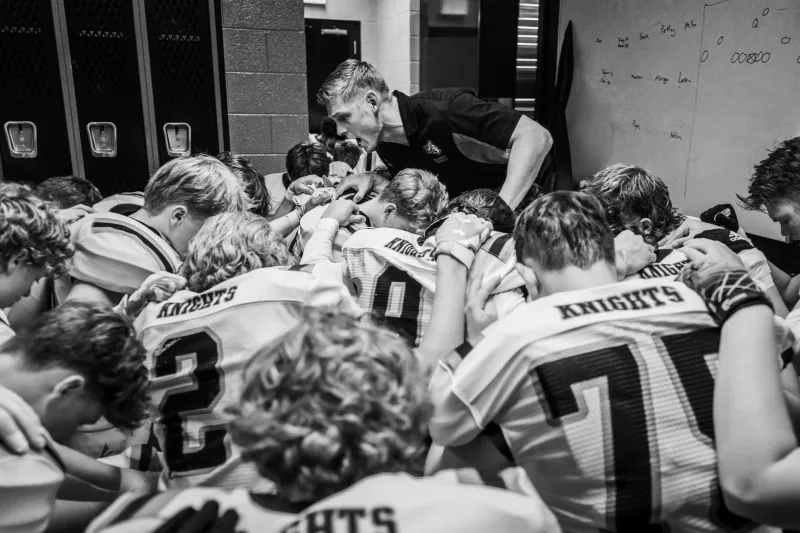
Here's the thing nobody fully sees: the halftime break is barely enough time to catch your breath, let alone rebuild a game plan from scratch. Players are getting treatment, hydrating, changing gear. Coaches are pulling up tablets, watching replays, scribbling on whiteboards. There's shouting, there's silence, and sometimes there's one voice that cuts through everything and says exactly the right thing.
Former players have described great halftime speeches not as fiery screaming sessions — though those happen too — but as moments of clarity. A coach who strips the noise away and reminds a team of exactly who they are and what they're capable of. It's part psychology, part strategy, and part pure human connection.
The teams that execute the best second-half comebacks almost always share one trait: they don't try to win the whole game back at once. They focus on the next drive, the next possession, the next at-bat. Momentum is rebuilt one play at a time.
Hockey's Comeback Culture
The NHL doesn't get enough credit in this conversation. Hockey comebacks are wild precisely because the sport moves so fast — a two-goal deficit can evaporate in four minutes of sustained pressure. The 2010 Philadelphia Flyers became the first team in NHL history to overcome a three-games-to-none series deficit, doing so against the Boston Bruins in what remains one of the sport's most stunning reversals.
Within individual games, the shift in energy after an intermission can be seismic. A goalie who looked shaky in the first period comes out in the second looking like he's made of ice. A power play unit that couldn't buy a goal suddenly can't stop scoring. The locker room conversations that produce these shifts are hockey's best-kept secret.
Why the Second Half Always Feels Different
Sports science has a few explanations. Teams make genuine tactical adjustments. Fatigue starts affecting the team that was dominant. Momentum, that invisible but very real force, can shift on a single play — a big hit, a stolen pass, a crowd that suddenly finds its voice again.
But there's something more human at work too. Sports, at its core, is about belief. The teams that come back from impossible positions in the second half almost always talk about the same thing afterward: at some point, they stopped thinking about the score and started believing in themselves again.
That's not a tactical adjustment. That's something you can't diagram on a whiteboard. And it's exactly why the second half — in any sport, at any level — will always be sport's most dramatic stage.