Posted, Shared, Signed: The New Pipeline From Your Phone Screen to the Professional Roster
Photo: International Film Service, Public domain, via Wikimedia Commons
Not long ago, the path from unknown athlete to professional prospect ran through a very specific set of gatekeepers. College coaches. Combine scouts. Regional showcases. AAU circuit contacts. If the right person didn't see you play, it almost didn't matter how good you were.
That world still exists. But it's got serious competition now — and the competition is running on an algorithm.
Over the past several years, social media platforms have quietly dismantled some of the traditional barriers between raw athletic talent and the people who pay for it. A clip that goes viral on a Tuesday morning can have a Division I coach in someone's DMs by Tuesday afternoon. A training video that racks up a million views on TikTok can generate more recruitment interest than an entire season of high school games watched by local scouts.
The pipeline has changed. And sports — all of it, from the grassroots level to the professional ranks — is still figuring out what that means.
The Highlight Reel as a Resume
For a generation of athletes who grew up native to social media, posting content isn't a side hustle. It's a strategy. The most savvy young players understand that their online presence is as much a part of their brand as their stats — and in some cases, it reaches further.
A well-edited highlight reel posted to Instagram or TikTok doesn't just show what a player can do. It frames it. Music, angles, slow-motion edits — these aren't just aesthetic choices. They're storytelling decisions that shape how a viewer perceives an athlete's skill level, personality, and marketability. The players who understand that distinction are using social media as a genuine career tool, not just a place to post.
And it's working. Stories of athletes who were discovered through viral content — players who had been overlooked by traditional scouting pipelines and found their way into professional conversations through sheer digital reach — are no longer rare. They're a recognizable pattern.
When the Internet Scouts Faster Than the Scouts
Here's the uncomfortable truth for traditional sports scouts: the internet often identifies talent before they do.
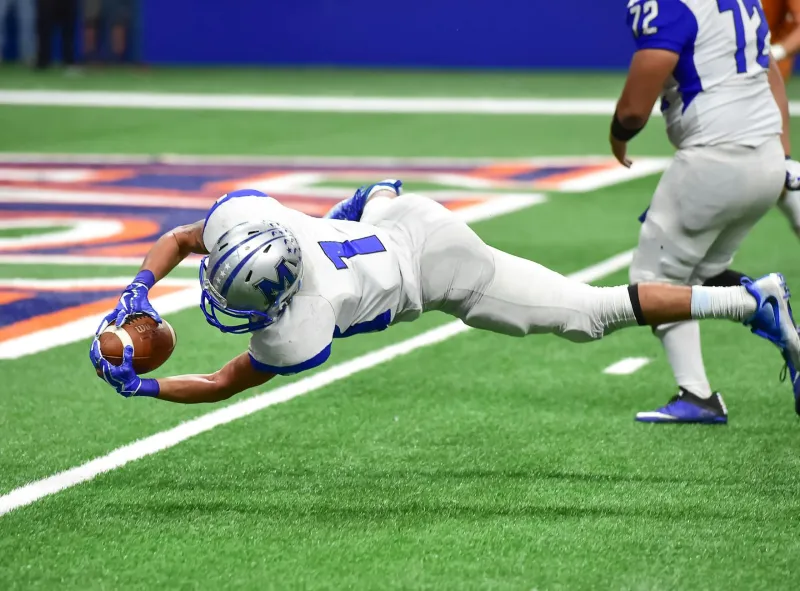
A video of a high school wide receiver making an impossible catch in a Friday night game can be on Twitter within minutes, reposted by sports accounts with millions of followers by Saturday morning, and generating national conversation by Sunday. The local scout who was supposed to attend that game but had a scheduling conflict? He's now the last person to know about a player his own organization should have been tracking.
This has forced a genuine reckoning inside front offices and college athletic departments. Social media monitoring has become a legitimate part of the scouting process at many organizations. Staff members are tasked with tracking viral athletic content, flagging names, cross-referencing with existing databases, and initiating contact with players or agents before a competitor does.
The old model was built on exclusive information — scouts who knew about players that nobody else did. The new model is built on speed, because the information is increasingly public. The advantage now belongs to whoever acts on it fastest.
TikTok's Unlikely Role in Sports Discovery
If Instagram built the highlight reel culture, TikTok turbocharged it. The platform's algorithm doesn't care about your follower count — it cares about engagement. That means a completely unknown athlete can post a video that reaches two million people within 48 hours, simply because the content is compelling enough to keep viewers watching.
The sports content that performs best on TikTok tends to fall into a few categories: impossible-looking training drills, unexpected skill demonstrations from athletes who don't look the part, and personality-driven clips that make viewers feel like they're getting access to something real. The athletes who nail that combination don't just build audiences — they build narratives. And narratives are what turn a good athlete into a name that people remember.
Several athletes across combat sports, basketball, and even niche disciplines like disc golf and competitive swimming have seen their careers fundamentally altered by TikTok virality. Brand deals arrived before contracts. Invitations to professional showcases came through comment sections. The traditional order of operations — get good, get seen, get signed — has been scrambled.
The Double-Edged Algorithm
For all its opportunity, the social media spotlight carries real risks for athletes who aren't prepared for it. Virality is indiscriminate — a clip that goes wide because of a mistake or an embarrassing moment can define an athlete's public image just as powerfully as a highlight reel. Young players who build large followings quickly sometimes find themselves navigating sponsorship expectations, public scrutiny, and online criticism before they've had the chance to develop emotionally, let alone professionally.
There's also the question of authenticity. The athletes who thrive long-term in the social media era tend to be the ones who use the platforms as a genuine extension of who they are, rather than a performance. Audiences — and increasingly, the front offices watching those audiences — can tell the difference.
What Traditional Scouts Are Actually Worried About
Ask veteran scouts about the social media era and you'll hear two things. The first is grudging acknowledgment that it has genuinely surfaced talent that might have slipped through the cracks. The second is a pointed concern about what gets lost in the translation from viral clip to actual game performance.
A highlight reel, by definition, shows the best moments. It doesn't show the three plays before and after. It doesn't show how a player responds to adversity, or how they perform in the fourth quarter of a tight game, or whether they can execute a specific system under pressure. The athletes who look spectacular in a 30-second clip and then underwhelm in a professional tryout have become a well-documented phenomenon — and a cautionary tale for organizations that let internet buzz drive their evaluation process.
The smartest approach, most insiders agree, is to use social media as a discovery tool and traditional evaluation as the verification step. The algorithm finds the player. The scout confirms the player. The two systems, working together, are more powerful than either one alone.
The New Face of Athletic Fame
What's genuinely new about this era isn't just that athletes get discovered faster. It's that they arrive with an audience already built. A player who comes into a professional league with half a million social media followers isn't just an athlete — they're a media property. Leagues and teams are increasingly aware of that value, and it's starting to influence everything from draft conversations to contract structures.
The athletes who figure out how to be great at the sport and great at the content are the ones who will define what professional athletics looks like for the next generation. The phone screen and the playing field are no longer separate worlds.
They never really were.