The Red Flag Revolution: How Instant Replay Challenges Became Sports' Ultimate Chess Match
The Red Flag Revolution: How Instant Replay Challenges Became Sports' Ultimate Chess Match
There's a moment in every close game when time seems to freeze. The coach reaches for that red flag or signals for a challenge, and suddenly 70,000 people in the stadium and millions watching at home hold their breath simultaneously. What happens next could flip the entire momentum of the game, turn heroes into goats, or transform a routine play into sports legend.
The instant replay challenge has quietly evolved into one of the most dramatic and underappreciated elements of modern American sports. What was supposed to be a simple tool for getting calls right has become a high-stakes chess match where coaches gamble their timeouts, their credibility, and sometimes their jobs on a few seconds of slow-motion footage.
The Art of Perfect Timing
Watch Bill Belichick work a challenge, and you're seeing a master class in psychological warfare. The Patriots coach doesn't just challenge plays – he weaponizes the challenge system itself. He'll throw that red flag at moments when his team needs a breather, when the opposing offense has momentum, or when he senses the slightest doubt about a crucial call.
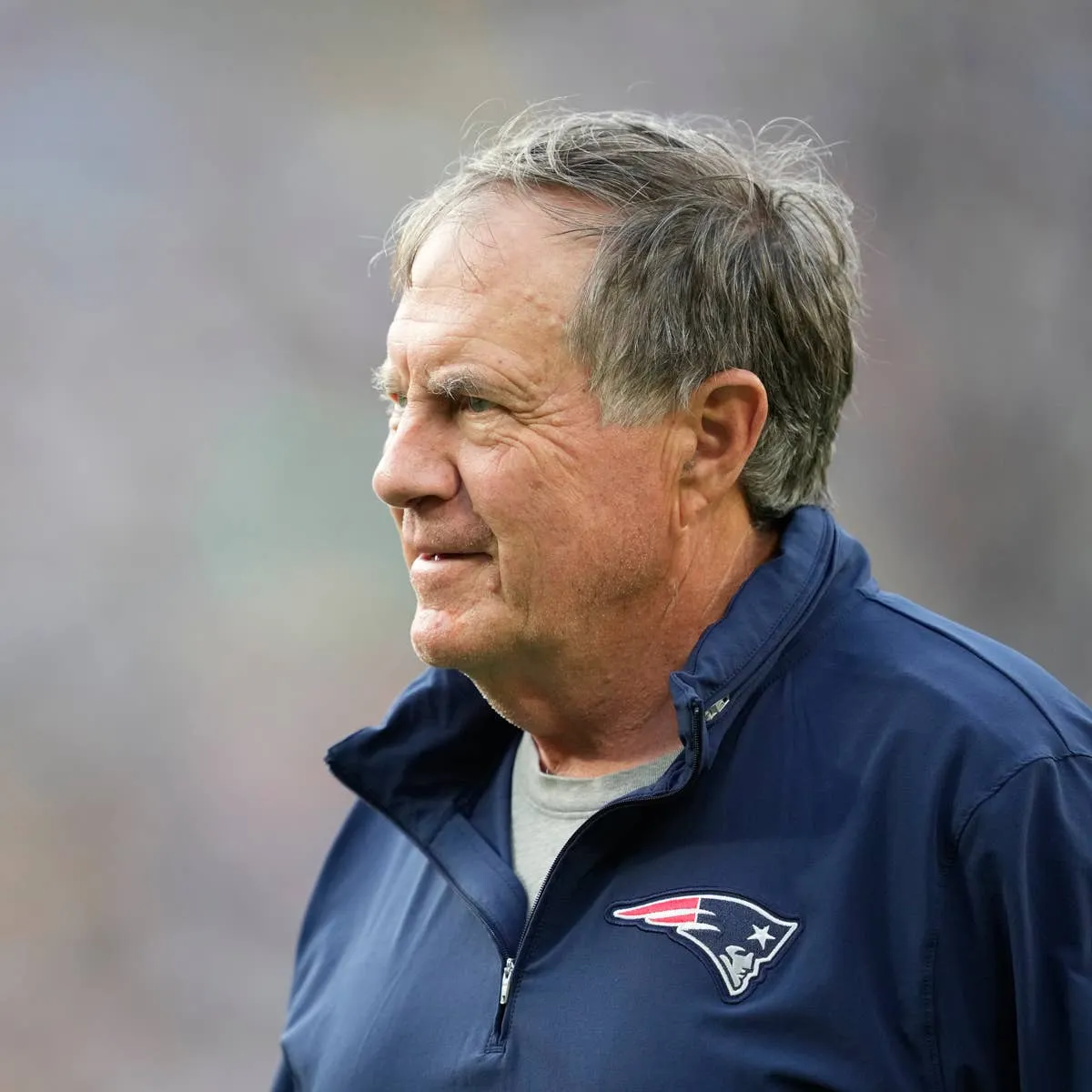 Photo: Bill Belichick, via thespun.com
Belichick's genius lies in understanding that the challenge isn't just about the play being reviewed – it's about disrupting rhythm, forcing officials to second-guess themselves, and giving his players time to regroup. When he challenged that Julian Edelman catch in Super Bowl LI, it wasn't just about whether the ball hit the ground. It was about stopping Atlanta's momentum and buying his offense precious mental recovery time.
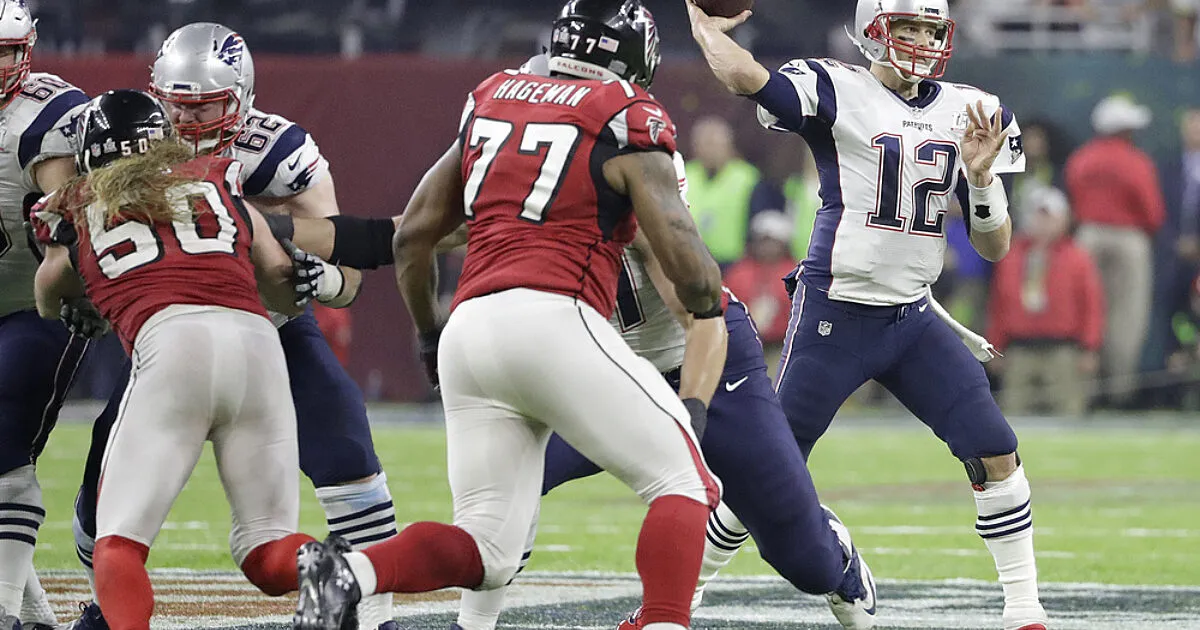 Photo: Super Bowl LI, via media.gwnews.com
The best coaches have turned challenge timing into an art form. They know when to use their challenges early to establish credibility with officials, and they know when to save them for crucial fourth-quarter moments when games hang in the balance.
NBA Coaches Playing 4D Chess
Basketball's challenge system might be even more intense than football's because coaches only get one per game, and the stakes feel higher with every possession. Watch Steve Kerr or Erik Spoelstra work a challenge in the final minutes of a playoff game, and you're witnessing pure strategic theater.
The Warriors' 2019 playoff run featured several moments where Kerr's challenge timing proved decisive. He'd save his challenge for crucial possessions in the fourth quarter, knowing that getting one call overturned could completely shift momentum. When officials spend three minutes reviewing whether a foul should be called, both teams are essentially playing mental warfare during the stoppage.
What makes NBA challenges particularly fascinating is how they've changed late-game strategy. Coaches now have to factor challenge availability into their timeout management, their fouling decisions, and their overall game flow. It's added another layer of complexity to what was already the most strategically nuanced sport in America.
The Theater of Uncertainty
There's something uniquely American about the drama of an instant replay review. The entire stadium watching giant screens, announcers speculating about camera angles, and coaches pacing the sidelines knowing their season might depend on what some official in New York decides after studying grainy footage.
Remember the 2018 NFC Championship game when the Rams benefited from that missed pass interference call against the Saints? The controversy wasn't just about the missed call – it was about how replay review had trained fans to expect perfection from officials. We'd become so accustomed to getting every call right that when the system failed, it felt like a betrayal of everything we thought modern sports should be.
The challenge system has created this weird tension where every close call becomes a potential turning point. Fans don't just watch the action anymore – they're constantly analyzing whether plays are challengeable, whether coaches should risk their flags, and whether officials are getting calls right in real time.
When Challenges Change History
Some of the most memorable moments in recent sports history have involved successful challenges that completely flipped game outcomes. The Patriots' comeback against the Falcons included several crucial challenges that kept drives alive. LeBron's block on Iguodala in the 2016 Finals was reviewed for potential goaltending, and those few minutes of uncertainty felt like an eternity for every basketball fan in America.
These moments remind us that modern sports aren't just about athletic ability – they're about coaches making split-second decisions that require deep understanding of rules, psychology, and game flow. When a challenge succeeds in a crucial moment, it's not luck. It's preparation meeting opportunity in the highest-pressure environment imaginable.
The challenge system has also created new types of heroes and villains. Coaches who consistently win big challenges become folk heroes. Officials who blow obvious reviews become public enemies. Players whose game-changing plays get overturned on technicalities become tragic figures.
The Unintended Consequences
What nobody anticipated when instant replay was introduced was how it would change the viewing experience itself. Games now have these built-in dramatic pauses where everyone becomes an amateur rules expert. Social media explodes with frame-by-frame analysis. Announcers become forensic investigators trying to predict what officials are seeing.
The challenge system has made fans more sophisticated about rules and strategy, but it's also made them more critical of officials and more obsessive about getting every call perfect. We've created a culture where any close call that goes against your team feels like robbery, even when the original call was reasonable.
The Future of Strategic Drama
As replay technology continues improving, the challenge system will only become more complex and more crucial to game outcomes. Coaches are already adapting their strategies around challenge availability, and players are learning to sell calls differently knowing everything will be scrutinized in slow motion.
The beauty of the challenge system is how it's added another layer of strategy to sports that were already incredibly complex. It's given coaches a new tool for managing games, created new types of dramatic moments, and forced everyone involved to think more deeply about rules and fairness.
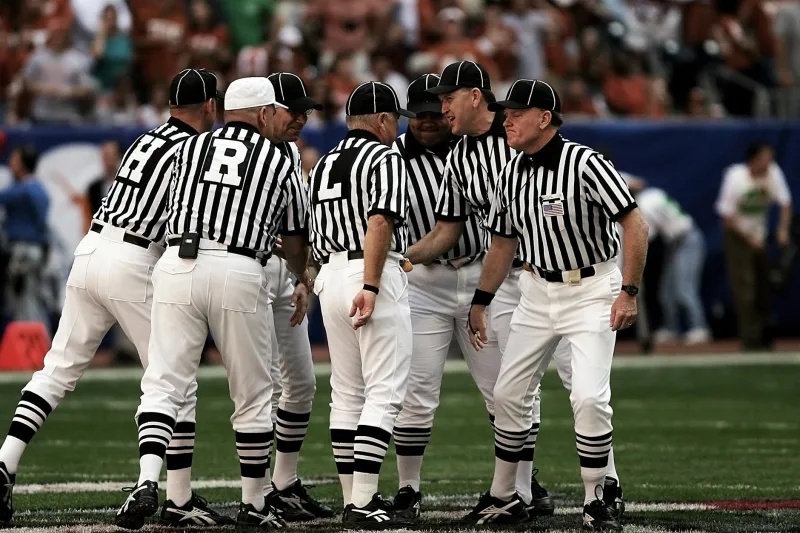
Watching a crucial challenge unfold in the final minutes of a championship game is pure American sports theater. The coach taking the ultimate gamble, the officials huddled around tiny screens, the players waiting to find out if their season continues, and the fans holding their breath knowing that sometimes the most important plays happen after the whistle blows.
The red flag might be a small piece of fabric, but in the right hands at the right moment, it's become one of the most powerful weapons in all of sports.