One Inch From Everything: The Terrifying Near-Misses That Could Have Changed Sports Forever
Sports is built on moments. The last-second shot, the goal-line stop, the home run that clears the wall by six inches. We celebrate the margins constantly. But there's another kind of margin that doesn't get talked about nearly as much — the fraction of an inch, the split-second difference between a player walking off the field under their own power and something far, far worse.
Near-misses in sports don't make the highlight reel. They don't get replayed in slow motion during championship retrospectives. But they shape careers, reshape franchises, and leave the athletes involved carrying a weight that's hard to put into words.
The Physics of Catastrophe
Every sport has its own version of the terrifying near-miss. In football, it's the helmet-to-helmet hit that somehow doesn't connect at full force. In basketball, it's the awkward landing that rolls an ankle instead of snapping a knee. In baseball, it's the 95-mph fastball that grazes a batter's helmet instead of making direct contact.
What separates a career-ending injury from a close call is often millimeters and milliseconds. The human body moving at athletic speeds, colliding with other bodies or surfaces, operates on physics that don't care about storylines or legacies. When the math works out in a player's favor, it's easy to shake it off, jog to the sideline, and not think about it too hard.
But the players who've been through genuine near-misses will tell you: the thinking comes later.
Kevin Durant's Achilles and the Shadow That Followed
In the 2019 NBA Finals, Kevin Durant returned from a calf injury to play in Game 5 for the Golden State Warriors — a moment that was celebrated as a heroic comeback, right up until the point when he went down with a ruptured Achilles tendon in the second quarter.
What's less discussed is the weeks leading up to that game, when Durant was managing the calf strain and the Warriors medical staff was making careful calculations about risk versus reward. The "near-miss" in this story isn't a single play — it's the entire decision-making chain that led to one of the most painful moments in recent Finals history.
But here's the flip side: Durant came back from that Achilles rupture and returned to elite-level play. The injury that many assumed would diminish him permanently turned out to be something he could, remarkably, recover from. The near-miss became a full stop — and then, somehow, a comma.
When the Puck Almost Ended a Career
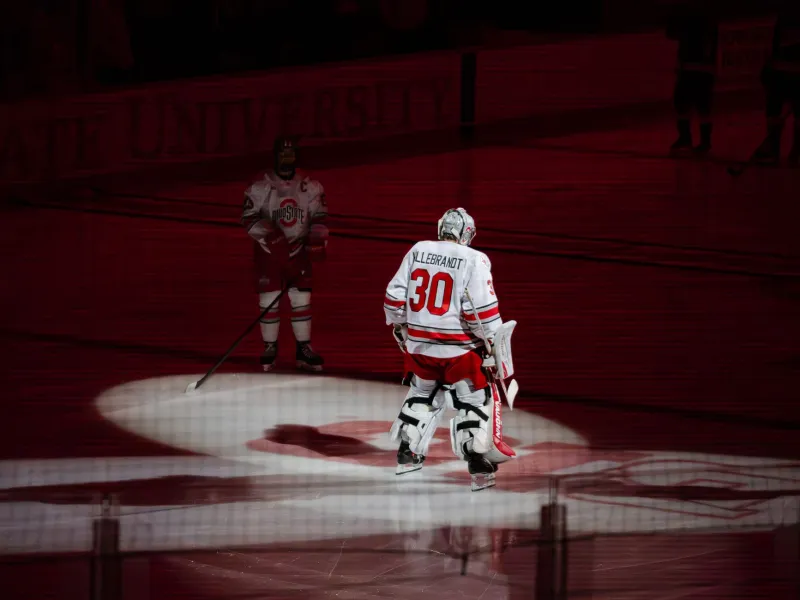
Hockey is a sport that generates terrifying near-misses with alarming regularity. The combination of skate blades, a hard rubber puck moving at over 100 mph, and bodies colliding at full speed creates a physical environment unlike almost anything else in professional sports.
Richard Zednik's horrific neck laceration in 2008 — caused by a teammate's skate during a collision — wasn't a near-miss in the traditional sense. It was a genuine, life-threatening injury that he survived thanks to immediate medical response. But it reshaped how the league, its players, and the public thought about the invisible dangers lurking inside every shift on the ice.
Players who've had close calls with skate blades, pucks to the face, or board collisions that could have gone catastrophically wrong describe a strange psychological aftermath. There's relief, obviously. But underneath that relief is something harder to name — an awareness of fragility that never fully goes away.
The Mental Weight of "What If"
Sports psychologists who work with professional athletes have a name for the cognitive aftermath of a serious near-miss: intrusive processing. It's the brain's way of trying to make sense of a situation where the outcome could have been dramatically different.
For many athletes, the first return to competition after a scary moment is the hardest part. Not because the body isn't ready, but because the mind keeps replaying the scenario with different outcomes. What if the angle had been slightly different? What if I'd landed two inches to the left?
The athletes who navigate this best tend to share a common approach: they acknowledge the fear rather than suppressing it, work through it with mental performance coaches, and gradually rebuild the automatic confidence that elite sport demands. The ones who try to simply "push through" without processing often find the anxiety resurfaces at the worst possible moments — in the playoffs, in overtime, in the exact situations where instinct needs to take over.
The Plays That Changed Rules
Some near-misses are so alarming that they don't just affect one player — they change the sport itself. The evolution of helmet technology in football, the introduction of neck guards in hockey, the ongoing development of protective gear across every major sport — these changes are often driven by moments where the outcome was almost unthinkable.
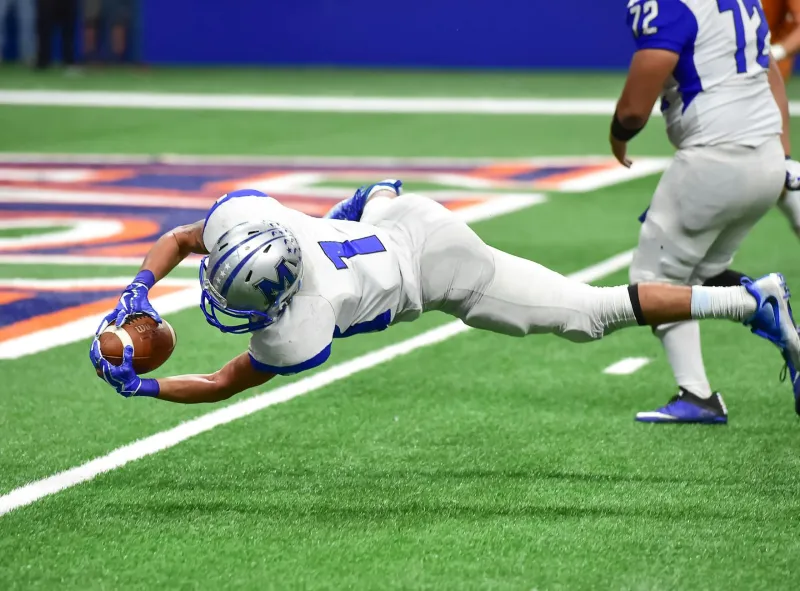
The NFL's ongoing reckoning with player safety has been shaped significantly by plays that could have been catastrophic but weren't. Rule changes around defenseless receivers, helmet-to-helmet contact, and roughing the passer have all been influenced, at least in part, by plays where the margin between a scary moment and a life-altering one was razor thin.
When sports organizations look at near-misses, they're essentially running a risk analysis on outcomes that didn't happen. The responsible ones don't wait for the worst-case scenario to materialize before making changes.
Walking Away Differently
There's something that almost every athlete who has experienced a genuine career-threatening near-miss describes in interviews: a shift in perspective that's hard to fully articulate. The game they'd been playing since childhood suddenly reveals its physical stakes in a new and visceral way.
Some players become more cautious. Some become more aggressive, as if defying the fear is the only way to keep it from growing. Some become vocal advocates for better safety standards in their sport, channeling the experience into something productive.
What almost none of them do is forget it. The near-miss lives in the body as much as in the mind. A particular movement, a certain kind of collision, a specific weather condition that mirrors the day it happened — these are the triggers that bring it rushing back, even years later.
The Stories That Don't Get Told
For every dramatic, televised near-miss that gets analyzed and discussed, there are dozens that happen in practice facilities, in training camps, in late-season games that don't draw national audiences. A lineman's knee bends at an angle that makes everyone in the building hold their breath, and then he stands up and walks it off. A pitcher's arm flinches on a line drive that misses his head by a foot.
These moments don't make SportsCenter. They don't generate takes or Twitter threads. But they're happening constantly, in every sport, at every level — quiet reminders that the game being played in those margins is more precarious than the highlights suggest.
The athletes who make it through unscathed are lucky. Most of them know it. And most of them carry that knowledge with them every single time they step back onto the field.