The Final Four Minutes: What Separates Elite Coaches From Everyone Else
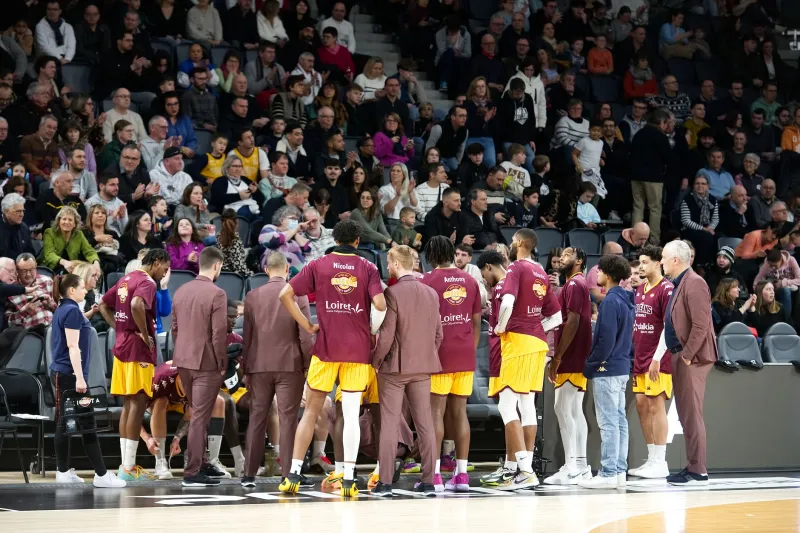
Everything a coach does for 46 minutes, three quarters, or eight innings is basically prologue. The real story — the part that gets replayed on highlight reels and debated on sports radio for decades — happens in the final stretch when the margin is thin, the crowd is deafening, and every decision gets magnified a thousand times.
This is where coaching legacies are built. And occasionally, where they're buried.
The Timeout as a Weapon
In basketball, the timeout is the most powerful tool a coach carries. Used correctly, it stops momentum, gives tired legs a rest, draws up a play that catches the defense completely off guard, and sends five players back onto the floor with a clear, unified purpose.
Used incorrectly — or not used at all — it becomes the thing everyone talks about afterward.
Gregg Popovich built a Hall of Fame career in San Antonio partly on his ability to read the exact moment when a timeout would deflate an opponent's run. He had an almost supernatural sense for when his team needed a reset versus when they needed to push through the pressure and trust their conditioning.
"The hardest part of the timeout decision isn't calling it," one former NBA assistant coach explained. "It's knowing when NOT to call it. Sometimes the worst thing you can do is interrupt your own team's momentum to give the other side a chance to breathe."
That calculus — when to intervene and when to let the game breathe — is something the great coaches understand instinctively and everyone else is still trying to figure out.
Football's Two-Minute Drill: The Coach's Chess Match
In the NFL, the final two minutes of a half are essentially a separate game played within the game. Clock management becomes as important as talent. Which timeouts do you save? When do you let the clock run? Do you spike the ball or take the sack?
Bill Belichick's reputation as the greatest football coach of his generation rests partly on his ability to make those decisions faster and better than anyone else. His teams consistently executed late-game situations with a precision that felt almost mechanical — not because the players were robots, but because they had been drilled on exactly these scenarios so many times that the right decision became automatic.
"Belichick practices clock situations more than any coach I've ever seen," one former Patriots player said. "By the time you're in a real game with two minutes left, you've already been there a hundred times in practice. It doesn't feel new."
That preparation is the secret that casual fans often miss. The great late-game moments aren't improvised. They're the result of thousands of hours of preparation that make the extraordinary feel routine.
The Substitution That Changed Everything
In soccer and hockey, where the clock runs continuously and substitutions are limited and irreversible, late-game roster decisions carry enormous weight. Bring on the fresh legs too early and you've burned your card when you need it most. Wait too long and your tired players give up the goal that ends the season.
In basketball, the substitution chess match is equally critical but plays out faster. Do you keep your starter in foul trouble on the floor because you need their offense? Do you go small and accept the rebounding disadvantage to gain a speed edge? Do you trust the rookie who's been lights-out all night or go back to the veteran who's been cold but has been in this moment before?
Every one of those decisions has a right answer — but that answer changes based on matchup, score, time remaining, foul situation, and about a dozen other variables that shift in real time.
"The coaches who struggle in crunch time are usually the ones who are trying to think their way through it in the moment," one NBA analyst explained. "The great ones have already thought through every scenario before the game starts. By the time the situation arrives, they're executing a plan, not making one up."
When the Brilliant Plan Backfired
For every iconic late-game coaching decision that worked, there's an equally famous one that didn't — and those failures tend to echo louder.
Pete Carroll's decision to throw on second and goal from the one-yard line in Super Bowl XLIX with Marshawn Lynch in the backfield is the most analyzed coaching call of the modern era. It was unconventional, it was surprising, and it resulted in an interception that handed the Patriots the championship. Carroll's reasoning was defensible — he was protecting the clock and saving Lynch for a potential third-down carry — but the outcome made the logic irrelevant. The decision became a cautionary tale told in coaching clinics across the country.
The lesson isn't necessarily that Carroll was wrong. It's that in the final minutes of a championship game, the margin between brilliant and catastrophic is razor thin, and the difference is often just execution.
Reading the Room
Beyond the tactical decisions, the best late-game coaches share an ability that's harder to quantify: they can read the emotional temperature of their team and adjust accordingly.
Some teams in the final minutes need fire. They need a coach who's animated, loud, and absolutely certain that victory is coming. Other teams need calm — a steady voice that tells them the situation is under control and that the preparation they've put in is enough.
The coaches who get this wrong — who bring fire when their team needs calm, or who project calm when their players need a jolt — often lose games that their talent should have won.
"Coaching in the final four minutes is 50 percent strategy and 50 percent psychology," one veteran college basketball coach said. "You can draw up the perfect play, but if your best player is in his head, it doesn't matter."
The Legacy Is Written in the Final Minutes
Fans remember championships. They remember buzzer-beaters. They remember the plays that won and the calls that lost. What they're really remembering, whether they know it or not, is coaching.
The teams that consistently find a way in the final stretch of close games don't do it by accident. They do it because someone spent years building a system, a culture, and a preparation process that makes the hardest moments feel manageable.
That's what separates the legends from everyone else. Not the big moments themselves, but everything that went into being ready for them.