When Coaches Became Magicians: The NFL's Most Game-Changing Locker Room Moments
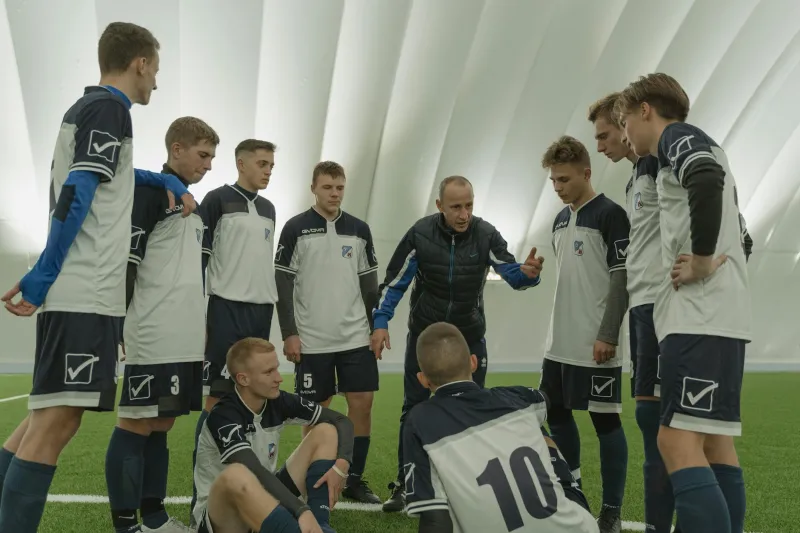
The Art of the Halftime Reset
There's something almost mystical about what happens in NFL locker rooms during those 12 precious minutes at halftime. While fans grab snacks and analysts break down the first half, coaches are working overtime to solve puzzles that seemed impossible just moments before. Sometimes, they pull off actual magic.
The greatest halftime adjustments in NFL history weren't just about X's and O's—they were about psychology, timing, and the kind of strategic brilliance that separates good coaches from legends. These are the moments when coaches rewrote entire game scripts with nothing but a whiteboard and pure determination.
Super Bowl LI: The Blueprint for Impossible
February 5, 2017, will forever be remembered as the night Tom Brady and the Patriots defied physics, but the real architect of that 28-3 comeback was Bill Belichick's halftime speech and adjustments. Down 21-3 at the break, the Patriots looked dead in the water against a Falcons team that had been unstoppable all season.
Belichick's halftime magic wasn't just motivational—it was surgical. He shifted to more no-huddle offense to tire out Atlanta's aggressive pass rush, moved Julian Edelman into different formations to create mismatches, and most crucially, adjusted the defensive game plan to force the Falcons into obvious passing situations. The result? Twenty-five unanswered points and the greatest comeback in Super Bowl history.
What made this adjustment special wasn't just the tactical changes—it was Belichick's ability to keep his team calm when the entire world had written them off. That's championship-level coaching.
The Comeback Kids of 1992
Long before Brady was making the impossible look routine, there was Frank Reich and the Buffalo Bills' wild card miracle against the Houston Oilers. Down 35-3 at halftime on January 3, 1993, the Bills were getting demolished by Warren Moon and a Oilers offense that seemed unstoppable.
Marv Levy's halftime adjustments were both simple and genius. He switched to a no-huddle attack that the Bills had perfected during the regular season but had abandoned early in the game. More importantly, he made a quarterback change, bringing in Frank Reich for an injured Jim Kelly. The defensive adjustments were equally crucial—more aggressive blitzing to rattle Moon and force quick decisions.
The Bills scored 28 points in the third quarter alone, eventually winning 41-38 in overtime. It remains the largest comeback in playoff history and a masterclass in halftime problem-solving.
When Defense Becomes Offense
Sometimes the greatest halftime adjustments aren't about changing schemes—they're about changing mindsets. Take the 2001 Patriots' playoff run, where Belichick consistently made defensive adjustments that turned his unit into a game-changing force.
Against the high-powered Rams offense in Super Bowl XXXVI, the Patriots trailed 3-0 at halftime but had figured out something crucial: they could rattle Kurt Warner with consistent pressure up the middle. Belichick's adjustment was to abandon traditional coverage schemes and bring extra rushers from unexpected angles.
The result was three forced turnovers in the second half and a 20-17 upset that nobody saw coming. Sometimes the best halftime adjustment is simply deciding to be more aggressive.
The Psychology Game
Not every great halftime adjustment shows up in the stat sheet. Sometimes it's about what a coach says, not what he draws up. Don Shula was famous for his halftime speeches during the Dolphins' perfect season, but his greatest moment might have been during a 1985 Monday Night Football game against the Bears.
Down 31-10 at halftime to what many consider the greatest defense in NFL history, Shula didn't panic. Instead, he reminded his team that the Bears' aggression could be turned against them with quick passes and draw plays. The Dolphins scored 24 points in the second half, nearly pulling off one of the biggest upsets in Monday Night Football history.
While they fell short, losing 38-24, Shula's halftime adjustments proved that even the most dominant defenses could be solved with the right approach.
Modern Masterpieces
Today's NFL coaches have more data and technology than ever before, but the best halftime adjustments still come down to reading the game and making bold decisions. Andy Reid's 2019 playoff run with the Chiefs featured multiple halftime masterclasses, including a divisional round comeback against the Texans where Kansas City scored 28 points in the second quarter after trailing 24-0.
Reid's adjustment was beautifully simple: stop trying to establish the run against Houston's aggressive front seven and let Patrick Mahomes work his magic with quick passes and designed rollouts. The result was one of the most explosive offensive performances in playoff history.
The Art of Adaptation
What separates great coaches from good ones isn't just their ability to game plan—it's their ability to adapt when that game plan isn't working. The greatest halftime adjustments in NFL history all share common threads: they're bold, they're based on careful observation of what's actually happening on the field, and they require complete buy-in from players who might be frustrated or demoralized.
These moments remind us why coaching matters in professional sports. Anyone can draw up plays, but it takes special talent to diagnose problems in real-time and convince elite athletes to trust a completely different approach with everything on the line.
The next time you're watching a game and see a team come out of halftime looking like a completely different unit, remember: you're witnessing one of sports' most underappreciated art forms in action.