
Most athletes spend their entire careers mastering one sport, dedicating decades to perfecting their craft within a single discipline. But every so often, someone comes along who refuses to be boxed in — athletes who walk away from established success to start over in completely different arenas, and somehow find greatness all over again.
These aren't stories about athletes who couldn't make it in their first sport. These are tales of champions who had already proven themselves, then decided to prove themselves again somewhere else entirely.
From the Gridiron to Olympic Glory
Herschel Walker was already a legend before he ever stepped foot on a track. The 1982 Heisman Trophy winner dominated college football at Georgia, then became a star in both the USFL and NFL. But Walker's athletic ambitions didn't end with football.
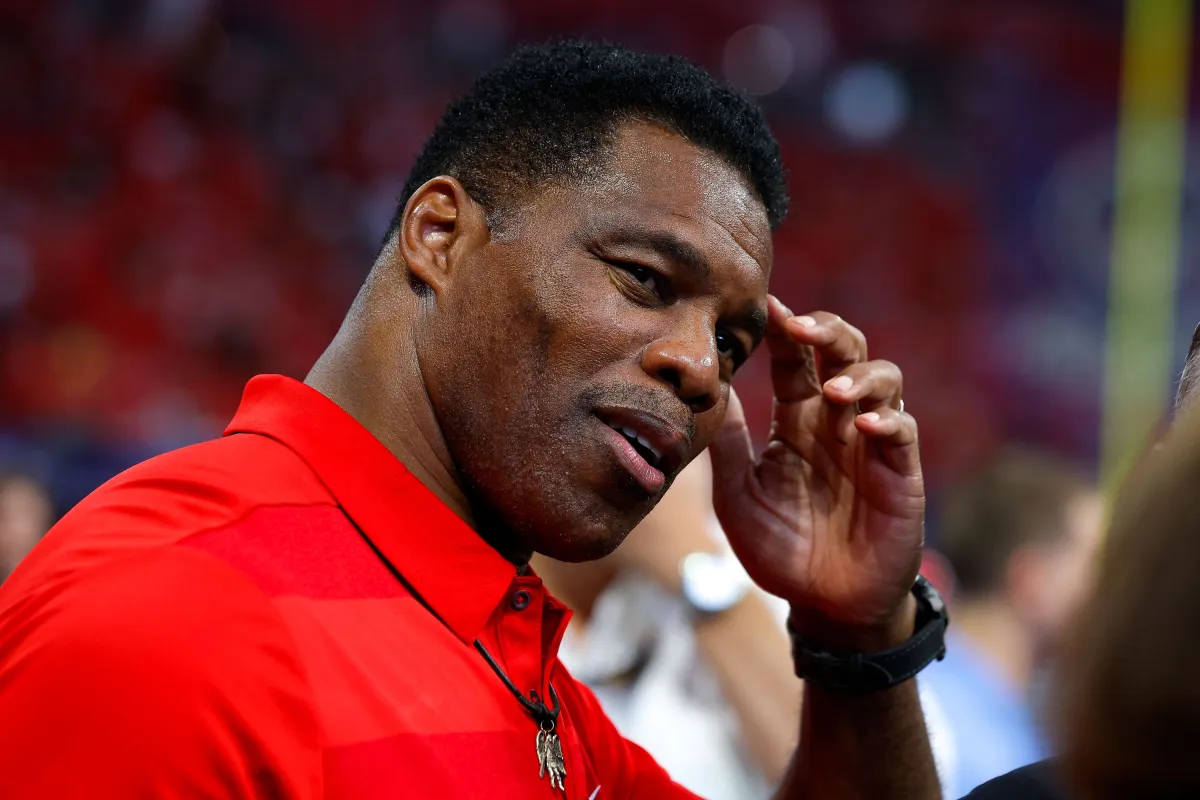 Photo: Herschel Walker, via pyxis.nymag.com
At age 48 — an age when most former athletes are settling into retirement — Walker decided to pursue mixed martial arts. While his MMA career was brief, it showcased something remarkable: the same competitive fire that made him great on the football field burned just as bright in a completely different sport.
But Walker's most impressive second act might have been his pursuit of Olympic bobsledding in the 1990s. Despite never having competed in the sport before, Walker made the U.S. Olympic team and competed in the 1992 Winter Olympics in Albertville, France. The sight of a football legend hurtling down an ice track at 80 mph proved that elite athleticism truly knows no boundaries.
The Basketball Star Who Became a Baseball Legend
Michael Jordan's brief stint in baseball gets mocked more often than it gets respected, but consider this: the greatest basketball player of all time walked away from the sport at his absolute peak to try something completely different. That takes a special kind of confidence — or madness.
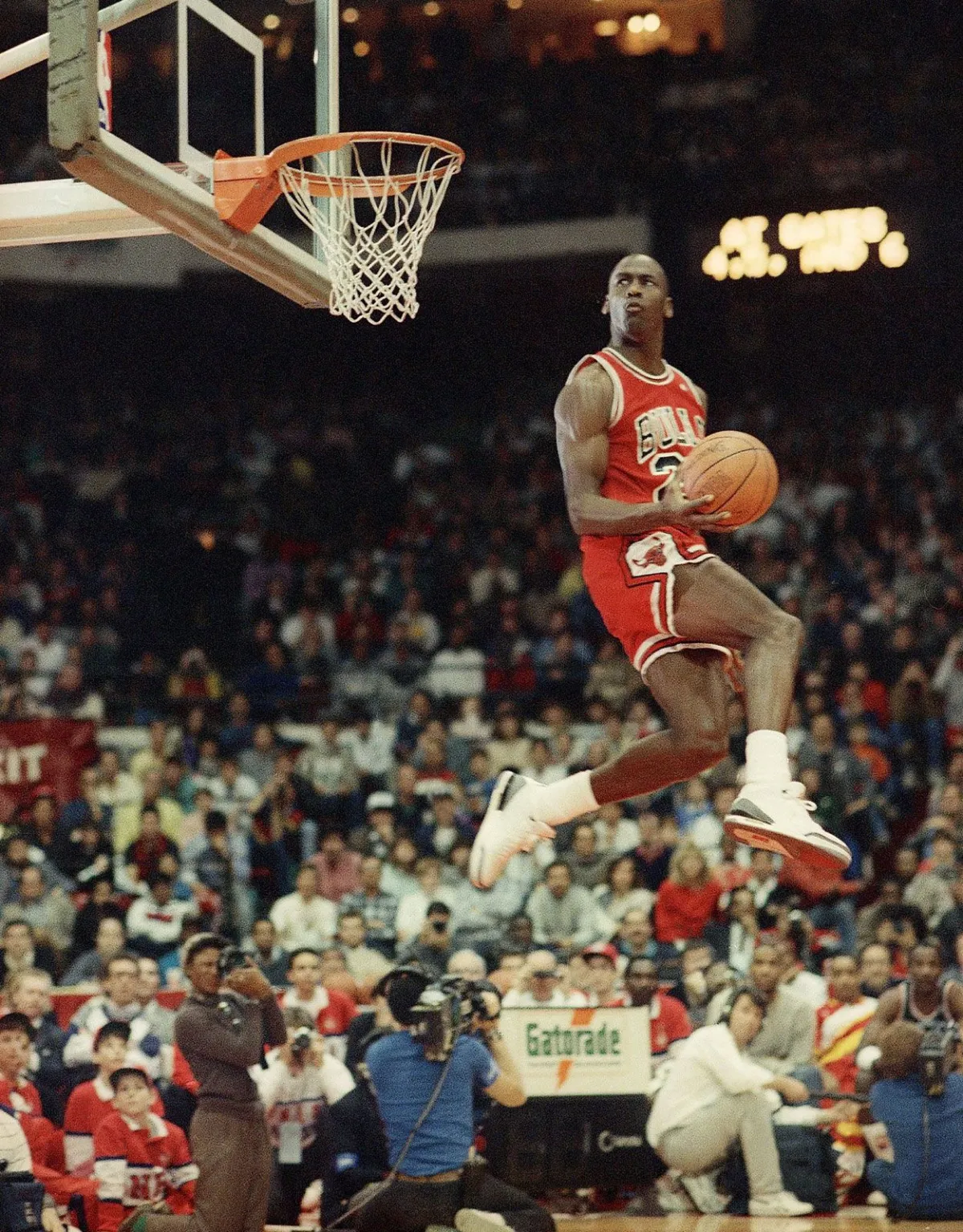 Photo: Michael Jordan, via cdn.britannica.com
While Jordan's baseball career didn't reach the heights of his basketball dominance, his time with the Birmingham Barons wasn't the disaster many people remember. He hit .202 in his first season, which isn't great, but it's also not embarrassing for someone who hadn't played organized baseball since high school.
More importantly, Jordan's baseball experiment revealed something crucial about elite athletes: they're not just great at their sport — they're great at being competitors. The same obsessive preparation, the same refusal to accept failure, the same midnight gym sessions that made Jordan unstoppable on the basketball court showed up on the baseball diamond too.
The Tennis Champion Who Dominated the Track
Marion Jones might be best known for her track and field achievements (and subsequent controversies), but before she became a sprinting sensation, she was a legitimate basketball star at the University of North Carolina. Jones helped lead the Tar Heels to a national championship in 1994, proving she had elite-level talent in multiple sports.
But Jones' story gets even more interesting when you consider her tennis background. As a teenager, she was ranked among the top junior tennis players in the country before ultimately choosing to focus on track and field. Imagine if she had stuck with tennis — we might be talking about her Grand Slam victories instead of her Olympic medals.
Jones' athletic versatility highlights something fascinating about truly elite athletes: they often excel at multiple sports before choosing to specialize. The same hand-eye coordination, competitive instinct, and athletic intelligence that made her a great basketball player translated perfectly to the track.
The NFL Star Who Conquered Two Sports Simultaneously
Bo Jackson didn't just switch sports — he dominated two professional sports at the same time. Jackson's ability to be an All-Star caliber player in both baseball and football simultaneously was unprecedented and remains unmatched.
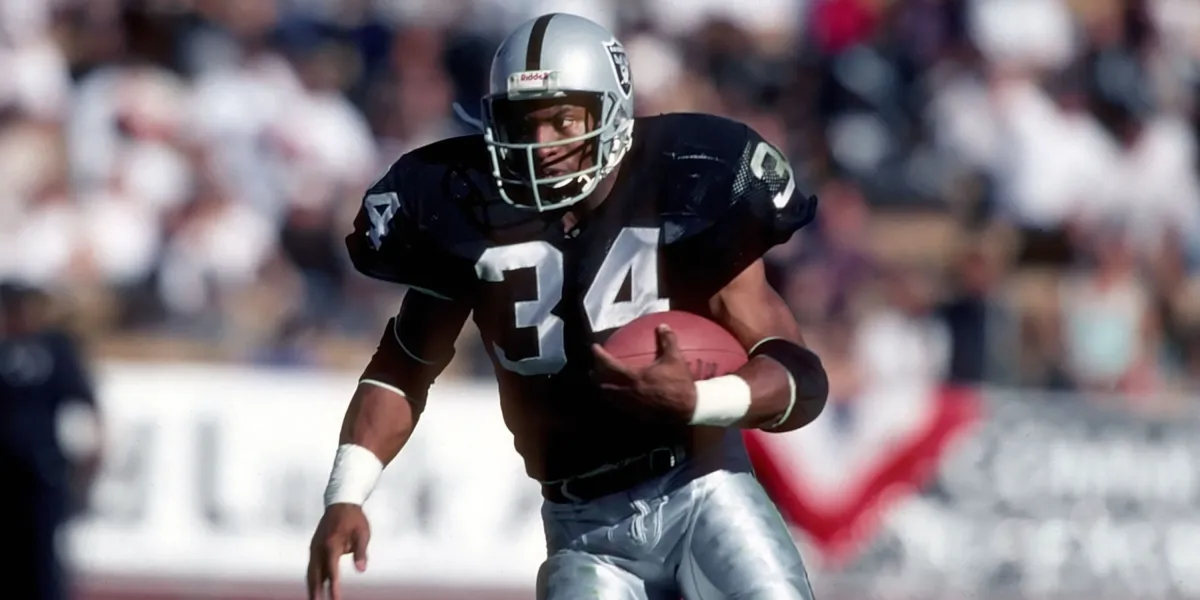 Photo: Bo Jackson, via static0.givemesportimages.com
Jackson's 1989 season was the stuff of legend: he hit 32 home runs for the Kansas City Royals, then showed up for the Los Angeles Raiders and rushed for 950 yards in just 11 games. The fact that he could maintain elite performance in both sports while most athletes struggle to master one is a testament to his otherworldly athletic ability.
What made Jackson's dual-sport success even more remarkable was how different baseball and football are. One requires explosive, violent collisions; the other demands precise timing and hand-eye coordination. Jackson excelled at both, proving that some athletes are simply built different.
The Hockey Legend Who Became a Golf Pro
Wayne Gretzky's post-hockey career as a serious golfer might not seem as dramatic as some other sport switches, but consider the skill set required. Hockey demands split-second decision-making, incredible spatial awareness, and the ability to perform under intense pressure. Golf requires patience, precision, and mental toughness of a completely different variety.
Gretzky didn't just play recreational golf after retiring from hockey — he became legitimately skilled, playing in professional tournaments and holding his own against career golfers. His golf game showed the same strategic thinking that made him "The Great One" on the ice, just applied to a completely different challenge.
The Football Player Who Became an Olympic Sprinter
Willie Gault's story might be the most impressive sport switch of all. After a successful NFL career as a wide receiver with the Chicago Bears and Los Angeles Raiders, Gault returned to track and field at age 34 and made the U.S. Olympic team in the 4x100-meter relay.
What makes Gault's achievement extraordinary is that sprinting at the Olympic level requires a completely different type of training and preparation than football. While both sports value speed, the specific demands are vastly different. Gault had to retrain his body and mind for a sport he hadn't competed in seriously since college.
Gault's success proved that elite speed is elite speed, regardless of the context. The same burst that made him dangerous as a receiver translated perfectly to the track, even after years away from the sport.
What These Stories Teach Us
These athletes didn't succeed in multiple sports because they were lucky or because competition was easier in their era. They succeeded because true athletic greatness isn't sport-specific — it's about mindset, preparation, and the relentless pursuit of excellence.
Every one of these athletes shared certain characteristics: an obsessive work ethic, the ability to learn quickly, and perhaps most importantly, the confidence to start over when they could have simply rested on their existing accomplishments.
Their stories remind us that the greatest athletes aren't just physically gifted — they're mentally constructed differently. They see challenges where others see obstacles, opportunities where others see risks.
The Ultimate Flex
In an era of increasing specialization, where young athletes are often pushed to focus on one sport year-round, these multi-sport success stories feel almost mythical. They represent a different philosophy: that athletic greatness isn't about perfecting one skill set, but about developing the kind of competitive intelligence that can adapt to any challenge.
These athletes didn't just switch sports — they proved that champions aren't defined by what they do, but by who they are.