Lights, Camera, Greatness: The Athletes Who Turn Prime Time Into Their Personal Showcase
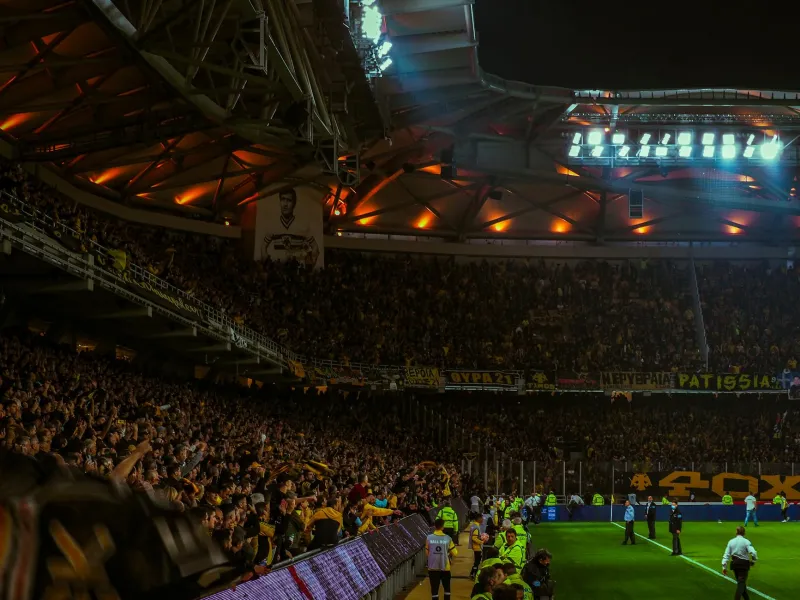
There's a special breed of athlete that seems to possess an internal switch, one that flips on the moment the cameras start rolling and the national spotlight finds them. While most competitors feel the weight of expectations, these rare performers treat prime time like their personal audition for greatness.
They don't just rise to the occasion—they orchestrate it.
The Prime Time Phenomenon
What separates a clutch performer from an everyday star isn't talent alone. It's the ability to channel pressure into fuel, to transform nervous energy into explosive performance. When 30 million people are watching, some athletes shrink. Others grow ten feet tall.
Take Patrick Mahomes during Monday Night Football. The Chiefs quarterback doesn't just play well under the lights—he puts on a clinic. His prime time statistics read like video game numbers: 31 touchdowns to 2 interceptions in his first 12 nationally televised games. But statistics don't capture the artistry, the no-look passes that leave commentators speechless, or the impossible throws that make physics seem negotiable.
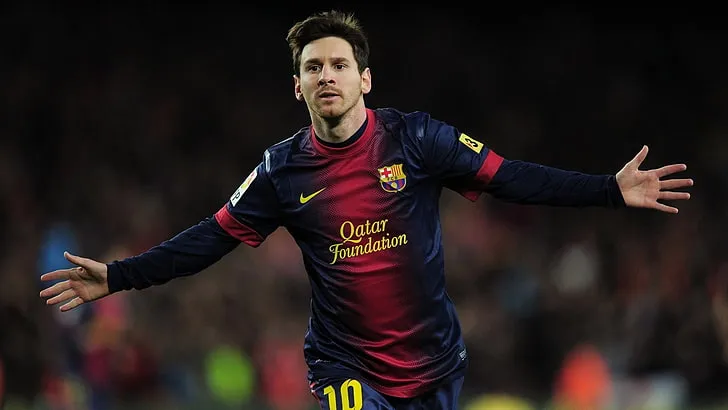 Photo: Patrick Mahomes, via p4.wallpaperbetter.com
"Some guys play not to lose on the big stage," former NFL receiver Randy Moss once observed. "The special ones play like they're trying to break the game."
When the Stage Gets Bigger
LeBron James built his entire legacy on this principle. Game 6 against Boston in 2012, facing elimination in the Eastern Conference Finals. Game 7 against Golden State in 2016, bringing Cleveland its first championship in 52 years. Christmas Day games where he'd casually drop 30 points while making it look effortless.
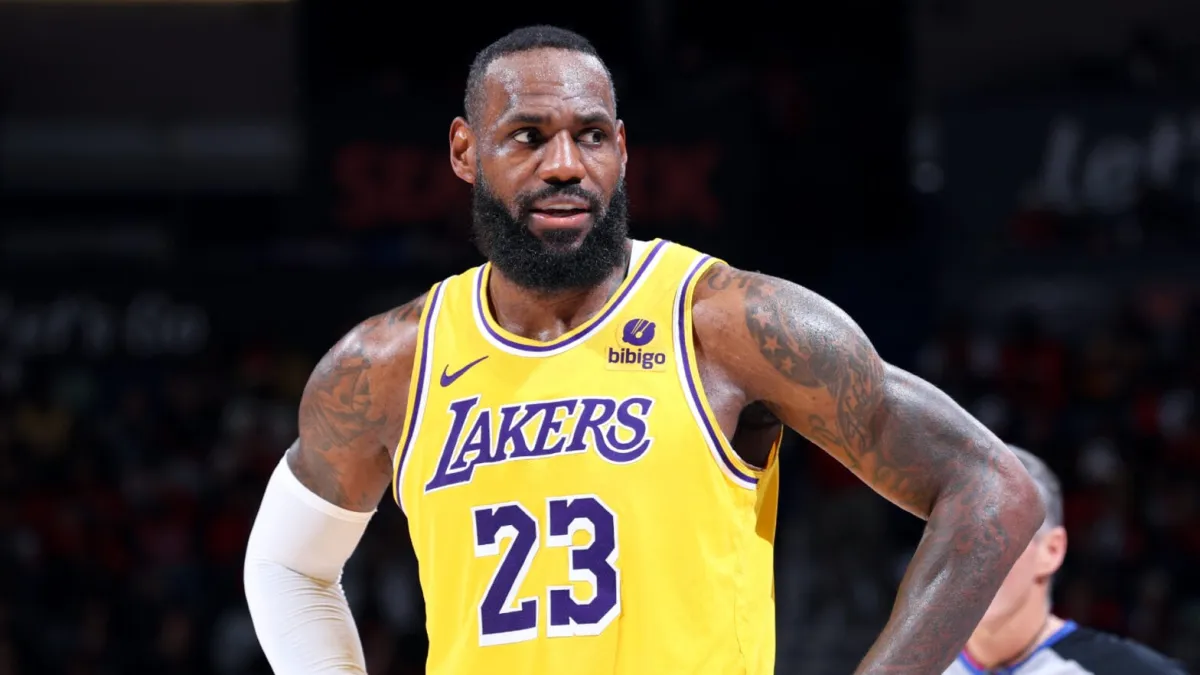 Photo: LeBron James, via cdn.nba.com
James understood something that separates good players from legends: prime time isn't about the pressure—it's about the opportunity. Every nationally televised game was a chance to add another chapter to his story, another moment that casual fans would remember forever.
The same principle applies to Serena Williams at Grand Slam finals. While other players might feel overwhelmed by the magnitude of Centre Court at Wimbledon or Arthur Ashe Stadium at the US Open, Williams treated these venues like her personal kingdom. Twenty-three Grand Slam singles titles weren't won in quiet first-round matches—they were claimed in front of packed stadiums and global television audiences.
The X-Factor of Confidence
What makes these athletes different isn't just skill—it's unshakeable self-belief. They genuinely believe they belong on the biggest stages, that the bright lights are meant for them.
Steph Curry exemplifies this mindset perfectly. During the Warriors' championship runs, Curry's prime time performances became appointment television. The deeper the playoff run, the more outrageous his shot selection became. Pulling up from 35 feet in Game 7s, hitting impossible shots while defenders draped all over him, celebrating before the ball even reached the rim.
"I've been preparing for these moments my whole life," Curry said after one particularly spectacular prime time performance. "When you get there, you don't want to waste the opportunity."
The Mythology They Create
Prime time performers don't just win games—they create mythology. They give fans stories to tell for decades, moments that get passed down from generation to generation.
Michael Jordan's "flu game" in the 1997 NBA Finals wasn't just a great performance—it was theater. Playing through illness, stumbling into Scottie Pippen's arms after hitting a crucial three-pointer, Jordan turned a basketball game into an epic tale of determination and will.
Derek Jeter's walk-off home run in the 2001 World Series, coming at midnight on Halloween night, felt scripted by Hollywood. The timing, the drama, the perfect swing in the perfect moment—it was the kind of performance that creates lifelong fans out of casual observers.
The Modern Prime Time Stars
Today's generation has its own collection of big-moment specialists. Josh Allen turning Monday Night Football into his personal highlight reel, throwing passes that seem to defy both gravity and common sense. Ja Morant treating every nationally televised game like a dunk contest, flying through the air with moves that leave even veteran players shaking their heads in amazement.
In tennis, Carlos Alcaraz has quickly established himself as must-watch television. His US Open victory in 2022 wasn't just impressive—it was appointment viewing, with each match feeling like a preview of the sport's future.
The Psychological Edge
Sports psychologists have studied this phenomenon for decades, trying to understand what makes certain athletes thrive under pressure while others crumble. The answer often comes down to perspective. Prime time performers view big moments as opportunities rather than obstacles.
"The lights don't make them nervous," explains Dr. Sarah Martinez, who works with professional athletes on mental performance. "They make them excited. They see the big stage as validation that they've earned their place among the elite."
This mindset creates a feedback loop. The bigger the stage, the better they perform. The better they perform, the more opportunities they get on big stages. Eventually, they become synonymous with clutch moments.
The Ripple Effect
Prime time performers don't just entertain—they inspire. Kids across America stay up past their bedtime to watch these athletes, dreaming of their own moment under the bright lights. They create the next generation of competitors who want to be great when it matters most.
They also elevate their teammates. Playing alongside someone who thrives in big moments creates confidence throughout the entire roster. When your star player treats Game 7 like just another Tuesday, everyone else starts to believe that maybe it really is just another Tuesday.
The Legacy Factor
Ultimately, prime time performers understand something fundamental about sports: games are forgotten, but moments live forever. The regular season victory in November gets lost in the shuffle. The prime time performance that leaves an entire stadium speechless becomes part of sports lore.
These athletes don't just play for wins and losses—they play for immortality. They know that somewhere, a young fan is watching their first big game, and they want to make sure that kid never forgets what they witnessed.
When the lights are brightest and the pressure is highest, these rare competitors don't just meet the moment—they own it. They transform must-see TV into legendary television, one impossible play at a time.