There's winning, and then there's winning so fast that your opponent is still tying their shoes. In the world of professional sports, a special breed of athlete has mastered the art of the lightning-quick finish—the kind that leaves fans checking their watches and wondering if they missed something.
These aren't just fast athletes. These are competitors who understand that sometimes the best defense is an offense so overwhelming that the other team never gets to show what they're made of.
The NBA's Opening Statement Kings
Klay Thompson owns the record books when it comes to explosive starts, but his legendary 37-point third quarter against Sacramento in 2015 wasn't just about scoring—it was about psychological warfare. In 12 minutes of game time, Thompson didn't just outscore an entire NBA team; he broke their will to compete.
But Thompson isn't alone in this exclusive club. Stephen Curry has built a career on turning games into routs before halftime, with his range extending so far beyond the three-point line that opposing coaches have to rethink their entire defensive philosophy. When Curry gets hot in the first quarter, smart money knows the game is essentially over.
Damian Lillard takes a different approach—his buzzer-beaters aren't just shots, they're statements. His series-ending three against Oklahoma City didn't just win a game; it ended Paul George's playoff run with such finality that the internet immediately turned it into a meme.
Combat Sports: Where Seconds Matter
In the octagon and boxing ring, quick finishers don't just win fights—they create legends. Conor McGregor's 13-second knockout of Jose Aldo at UFC 194 didn't just win him a championship; it announced the arrival of a new era in mixed martial arts. Aldo had been unbeaten for a decade, and McGregor ended that streak before most fans had finished settling into their seats.
 Photo: Conor McGregor, via wallpapers.com
Jorge Masvidal's flying knee knockout of Ben Askren clocked in at five seconds—the fastest knockout in UFC history. But the real genius wasn't just the speed; it was how Masvidal anticipated Askren's takedown attempt and turned it into a highlight reel that's still being replayed years later.
In boxing, Deontay Wilder built his entire reputation on ending fights with a single right hand. His opponents knew it was coming, prepared for it, and still couldn't stop it. That's the mark of a true quick-finish artist—when everyone knows your move and you still pull it off.
Football's Fast-Break Specialists
The NFL might seem like a sport built for methodical drives and time management, but some players have figured out how to turn it into a highlight reel in seconds. Tyreek Hill has made a career out of turning routine plays into touchdowns that leave defenders wondering what just happened.
His 83-yard punt return against Denver looked like a routine catch until Hill hit another gear that most humans don't possess. By the time the coverage team realized what was happening, Hill was already celebrating in the end zone.
Josh Gordon's comeback story includes some of the most explosive plays in recent memory, but it's his ability to turn a simple slant route into a 70-yard touchdown that separates him from other receivers. When Gordon was healthy and focused, defensive coordinators had to account for the possibility that any play could become a house call.
Tennis: The Art of the Quick Set
Serena Williams at her peak didn't just win matches—she won them so convincingly that opponents looked like they were playing a different sport. Her 2012 Olympic final against Maria Sharapova lasted just 63 minutes, but Williams was so dominant that Sharapova managed to win only three games.
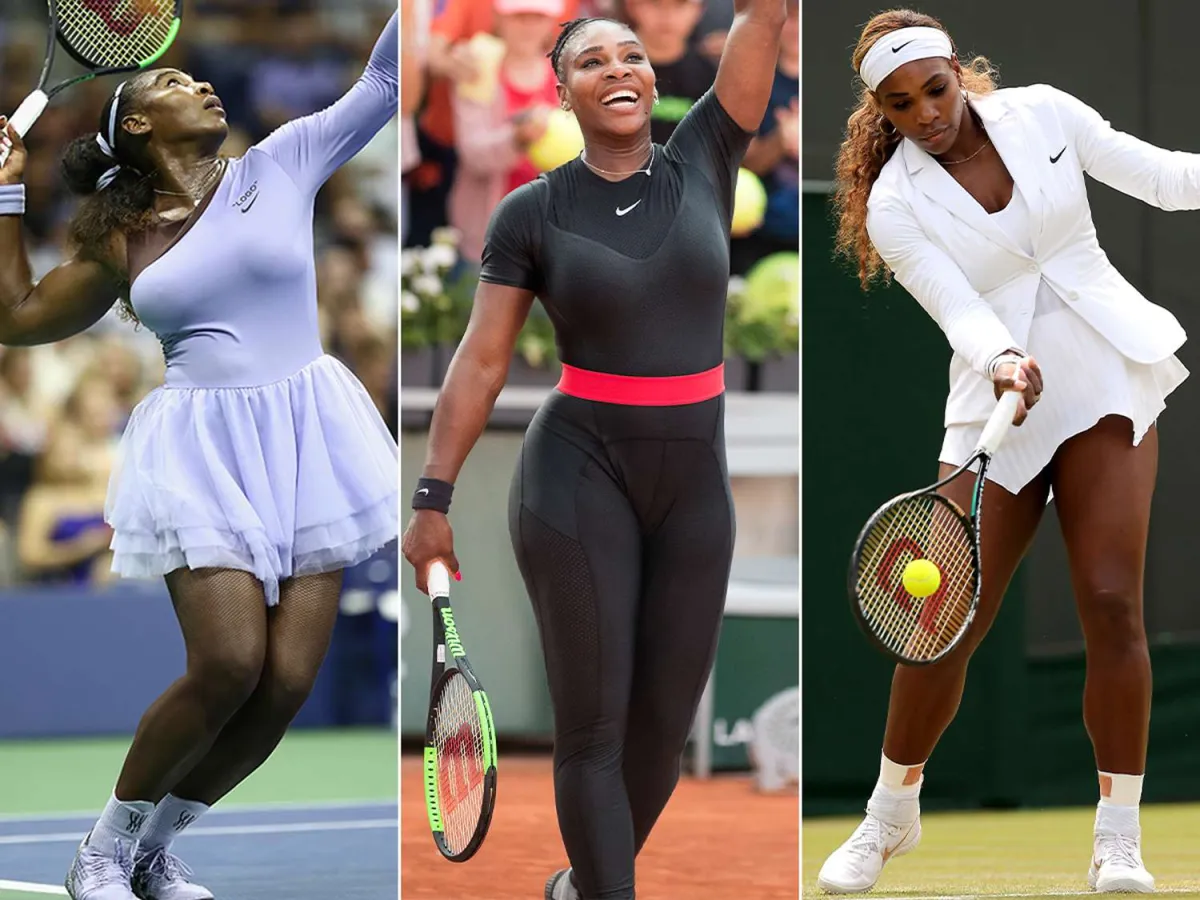 Photo: Serena Williams, via people.com
Novak Djokovic's mental game is legendary, but his ability to break opponents early in matches is what separates him from other great players. When Djokovic gets an early break of serve, the match statistics show that his opponents' winning percentage drops dramatically—not because they can't play tennis, but because Djokovic's early dominance gets inside their heads.
What Makes Them Different
These athletes share more than just speed—they understand timing in ways that separate them from even other elite competitors. They recognize the exact moment when an opponent is vulnerable and strike with precision that borders on supernatural.
It's not just about physical ability. These quick-finish artists have developed an almost psychic sense of when to apply maximum pressure. They don't just see opportunities; they create them by forcing opponents into uncomfortable positions and then capitalizing instantly.
The Psychological Edge
What really sets these athletes apart is their understanding of momentum as a weapon. They know that in sports, confidence is fragile, and a quick strike can shatter an opponent's belief in their game plan.
When an athlete gets blown out in the opening minutes, they're not just behind on the scoreboard—they're fighting their own doubts about whether they belong on the same field. The best quick finishers exploit this psychological vulnerability as much as any physical weakness.
These lightning-fast competitors have mastered something that can't be taught in practice: the ability to recognize when a game is there for the taking and the killer instinct to take it immediately. In a world where games are supposed to be competitive and exciting, these athletes have figured out how to make competition look easy—and that might be the most impressive skill of all.