Ice in Their Veins: The Clutch Athletes Who Were Built for the Final Second
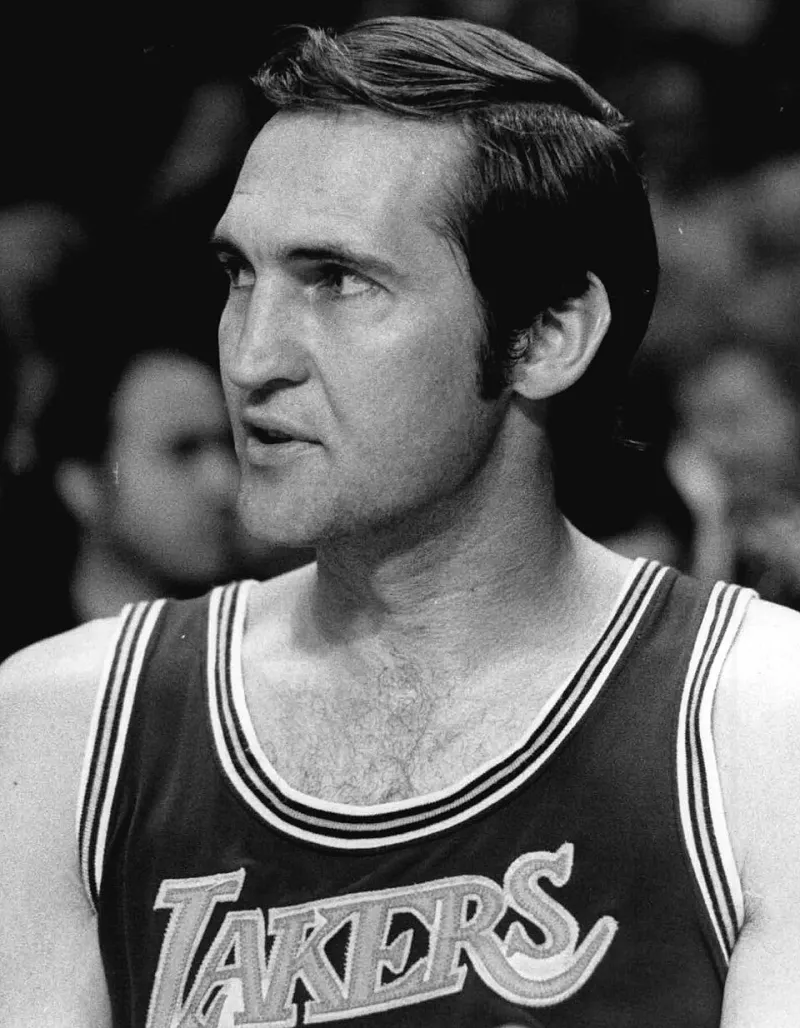
Photo: Malcolm W. Emmons, Public domain, via Wikimedia Commons
The game is tied. Three seconds left. The ball — or the puck, or the pitch — is coming to one person, and every single person in the building knows it. The crowd is so loud you can feel it in your chest. The moment is enormous.
And then one athlete steps into it like they've been waiting all night.
Clutch is one of the most debated concepts in sports. Analytics folks will tell you it barely exists as a repeatable skill. But ask anyone who's watched Derek Jeter flip a ball home, or seen Damian Lillard catch a pass beyond the arc with the series on the line, or witnessed Serena Williams serve her way out of a match point — and they'll tell you that some athletes are simply built differently when the stakes go vertical.
What Clutch Actually Looks Like
It's tempting to define clutch purely by results — the walk-off home run, the buzzer-beater, the overtime goal. But athletes who consistently deliver in high-pressure moments will tell you the real work happens long before the final seconds arrive.
Clutch performers share a few common threads. They process chaos more slowly than their opponents. When the game is moving at its fastest, their internal clock somehow slows down. They've visualized the moment so many times in practice that when it actually arrives, it doesn't feel new. It feels familiar.
There's also a psychological component that doesn't get discussed enough: the best clutch athletes genuinely want the ball. Not in a reckless, ego-driven way, but with a calm, almost serene confidence that they are the right person to decide the outcome. That willingness — that absence of fear — is what separates a walk-off legend from someone who goes 0-for-October.
The Walk-Off Artists of Baseball
No sport has mythologized the clutch moment quite like baseball. The walk-off is its own category of folklore — a singular, immediate ending that punches the air out of a stadium in one swing.
The greatest walk-off hitters in MLB history share a specific mental framework. They don't try to do too much. They stay within their approach, trust their preparation, and refuse to let the weight of the situation change their mechanics. The home run is great, but more often than not, the truly elite walk-off performers are the ones who can take a single to right field and still win the game. It's about execution under pressure, not fireworks.
What makes a walk-off moment so culturally powerful is the suddenness of it. One pitch, one swing, and the narrative of an entire game — sometimes an entire series — flips completely. The players who deliver those moments don't just win games. They write the chapters that fans remember for decades.
Basketball's Buzzer-Beater Royalty
In basketball, the buzzer-beater is the walk-off's close cousin — and it's produced some of the most iconic images in American sports history. The shot clock ticking down, the defender draped across the shooter, the ball arcing toward the rim in what feels like slow motion.
The players who own those moments — the ones who have hit multiple go-ahead shots in elimination games — carry a specific kind of reputation. Opposing coaches don't just game-plan for their scoring. They game-plan for their nerve. Because a player who doesn't flinch in Game 7 is a different kind of threat than a player who averages 30 points in the regular season.
The mental architecture of a great clutch shooter is built over years of repetition and, crucially, failure. The athletes who become synonymous with big moments almost always have a catalog of near-misses that nobody remembers — shots that rimmed out in big games, chances that didn't convert. They didn't let those moments define them. They used them as data.
Football's Fourth-Quarter Architects
In the NFL, clutch performance takes a different shape. It's less about one single moment and more about a sustained ability to function under maximum pressure across an entire drive — or an entire half.
The quarterbacks who have built reputations as fourth-quarter comeback artists share a quality that coaches describe as almost unsettling: they get calmer as the situation gets more desperate. Two minutes left, down by six, no timeouts — and their voice in the huddle is steady. Their decision-making sharpens rather than deteriorates.
That calm is contagious. A team that believes its quarterback won't panic tends not to panic itself. And a team that stays composed in the final two minutes converts a remarkable percentage of comeback opportunities simply because they don't beat themselves.
The Psychological Edge
Sports psychologists who work with elite athletes point to a concept called "pressure inoculation" — the idea that repeated exposure to high-stakes situations gradually reduces their psychological weight. The first time you step to the plate in a World Series, everything feels enormous. By the fifth time, it still matters enormously, but your body and mind know how to function inside that feeling.
The athletes who become clutch legends are the ones who sought out those situations rather than avoiding them. They asked to take the last shot in pickup games. They volunteered for the final at-bat in practice scrimmages. They built the habit of wanting the moment long before the moment mattered.
Why We Can't Look Away
There's a reason clutch moments become the highlights we replay for years. They compress everything that's great about sports — preparation, nerve, execution, consequence — into a single, undeniable instant. And the athletes who deliver them, again and again, across different seasons and different stages, become something more than great players.
They become the reason we watch.