Nothing on Television Comes Close: Why the Final Two Minutes of a Tight Game Are Pure American Gold
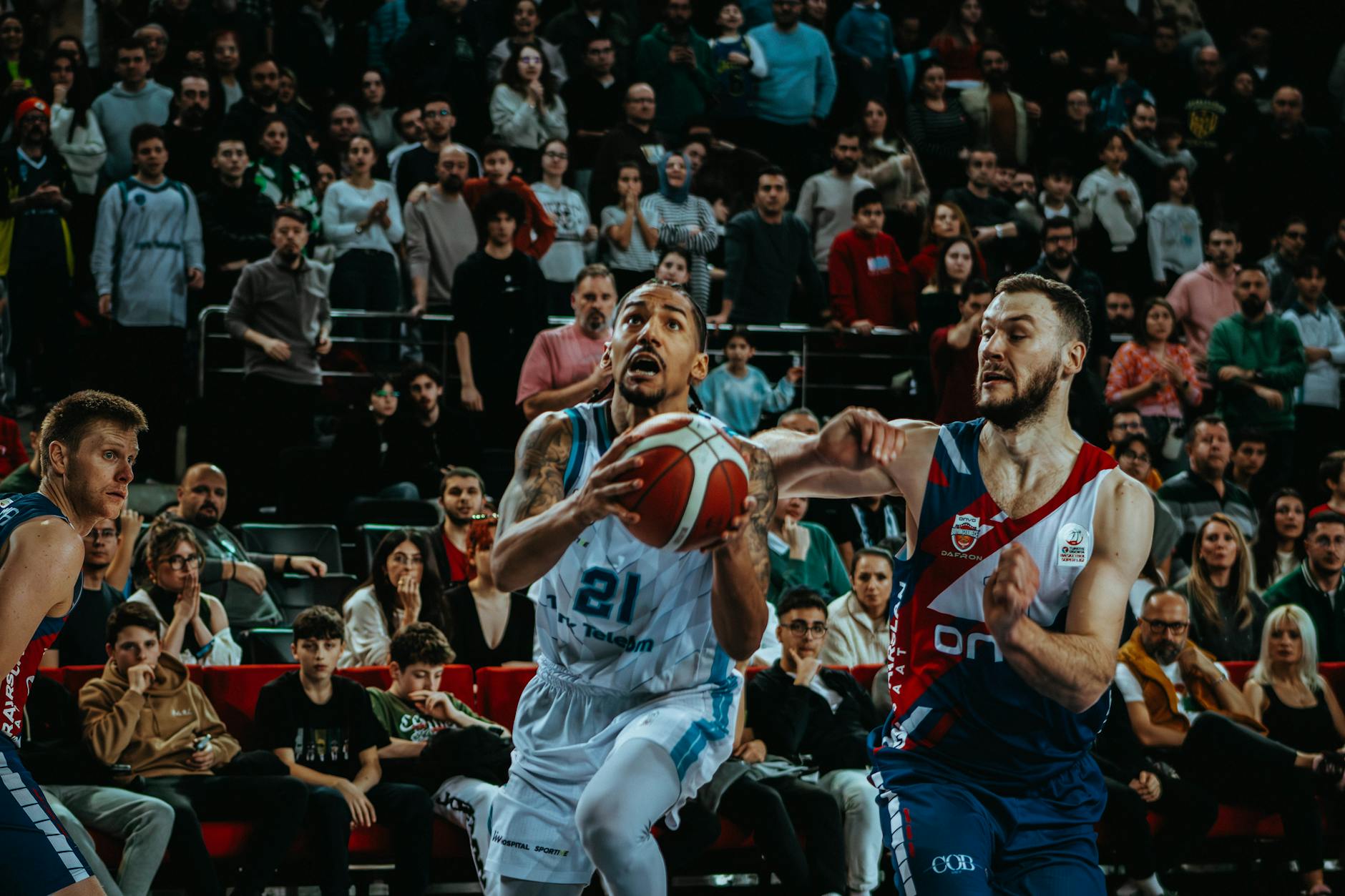
Nothing on Television Comes Close: Why the Final Two Minutes of a Tight Game Are Pure American Gold
Let's be honest about something. A lot of great sports moments happen in the middle of games. A first-quarter touchdown. A second-inning home run. A dominant performance that builds quietly over forty minutes before becoming undeniable.
But nobody sets an alarm for the first quarter.
The last two minutes of a close game are a different animal entirely. They're the reason fans who haven't thought about basketball all week suddenly can't look away from the screen. They're why people who claim they "don't really follow football" find themselves standing in their living room on a Sunday afternoon, unable to breathe, watching a quarterback they barely know try to convert a third-and-seven with thirty seconds left.
No other entertainment format on the planet delivers what those final minutes deliver. Not movies. Not television. Not anything.
Here's why.
The Stakes Are Real and Irreversible
Hollywood has spent decades trying to manufacture tension. Ticking clocks. Impossible odds. Characters with everything to lose. And to be fair, they've gotten pretty good at it.
But here's the thing about a movie: you know, somewhere in the back of your mind, that it was written. Someone decided how it ends. The tension is constructed.
In a tied NBA game with 90 seconds left, nobody decided anything. There is no script. The player at the free-throw line might miss. The coach might call the wrong timeout. The referee might blow a call that changes everything. The outcome is genuinely, irreversibly unknown — and that distinction is the entire difference between watching something and experiencing something.
When Damian Lillard hit that series-clinching shot against Oklahoma City in 2019 — a step-back three from what felt like a different zip code, with the game on the line — the moment didn't feel scripted because it wasn't. It felt like witnessing something real and unrepeatable. Because it was.
Every Decision Becomes a Referendum
In the closing minutes of a close game, every single choice carries weight that would be absurd in any other context.
A timeout. A substitution. Whether to foul or play it straight. Whether to push the pace or milk the clock. In the NFL, the two-minute warning turns the final stretch of a tight game into a chess match between two head coaches who are each one bad call away from a national conversation about their competence.
Casual fans might not know the names of every player on the field, but they instinctively understand that something important is happening. The camera cuts to the coach's face. The crowd noise shifts. The announcers drop their voices half an octave. Everyone in the building — and everyone watching at home — understands that the margin for error has essentially collapsed to zero.
That shared understanding is what turns a sports broadcast into a communal experience. It's why bars go quiet when a team is driving with two minutes left. It's why group chats light up. It's why your neighbor texts you even though you haven't talked in three months.
The Comeback Is America's Favorite Story
American sports culture has a deep, almost spiritual relationship with the comeback. It's baked into the mythology of the thing. Down but not out. Never say die. One more play.
And the final two minutes are where comebacks live.
Think about Super Bowl LI. The New England Patriots trailing the Atlanta Falcons 28-3 in the third quarter. By any reasonable measure, it was over. People were already writing the postmortem. Then the final stretch arrived, and Tom Brady did what Tom Brady did — methodically, impossibly, converting on third downs that had no business being converted, driving the field with a clock that never seemed to give up on him. The Patriots won in overtime after completing the greatest comeback in Super Bowl history.
Or think about the 2016 NBA Finals, Game 7. Cleveland down 3-1 in the series, tied in the fourth quarter, LeBron James chasing down Andre Iguodala from behind and pinning a layup attempt against the backboard in a block that replays like a movie sequence every time you see it. The Cavaliers won by four. The block happened with under two minutes left. It is, by almost universal agreement, one of the defining plays in NBA history.
These moments don't happen in the first quarter. They happen when the clock is almost gone and the stakes have become almost too large to process.
The Clock Itself Becomes a Character
In the NBA, the final two minutes officially trigger an enhanced review process — officials can check certain calls that would otherwise stand. It's a procedural detail, but it signals something bigger: even the league itself acknowledges that those minutes operate under different rules.
In the NFL, the two-minute warning stops the clock and resets everything. In college football, clock management in the final stretch is practically its own discipline, responsible for some of the most agonizing and exhilarating outcomes in the sport.
The clock stops being background noise and becomes a central force in the narrative. Teams play differently. Coaches think differently. Fans watch differently. Every second displayed on that scoreboard carries a meaning it didn't have twenty minutes earlier.
It's the only sport where you can look at a clock and feel your heart rate change.
This Is Why We Watch
There's a version of sports fandom that's about statistics, strategy, and deep historical knowledge. That version is great. But there's also a version that's purely about those moments when everything is on the line and something extraordinary might happen at any second.
The final two minutes of a close game is where both versions of fandom converge. The casual fan and the die-hard are, in those moments, watching exactly the same thing with exactly the same level of investment.
No other entertainment format closes that gap so completely.
Streaming services spend billions trying to create content that keeps you locked in. Sports does it for free, every single week, with no guarantee of how the story ends.
That's not programming. That's something else entirely.
And honestly? Nothing comes close.