
Draft day is the closest thing sports has to legalized gambling with million-dollar stakes. Every year, teams, analysts, and fans convince themselves they've cracked the code on predicting which college kids will become professional superstars. The reality? They're wrong so often that being right feels like pure luck.
The beautiful chaos of draft predictions isn't just entertainment—it's a reminder that sports are fundamentally unpredictable, and that's exactly what makes them worth watching.
The Sure Things That Weren't So Sure
Ryan Leaf was supposed to be the safe pick. In 1998, draft experts debated whether the Indianapolis Colts should take Peyton Manning or Leaf with the first overall pick, but most agreed both quarterbacks were can't-miss prospects. ESPN's Mel Kiper Jr. famously said he'd "retire" if Leaf wasn't successful.
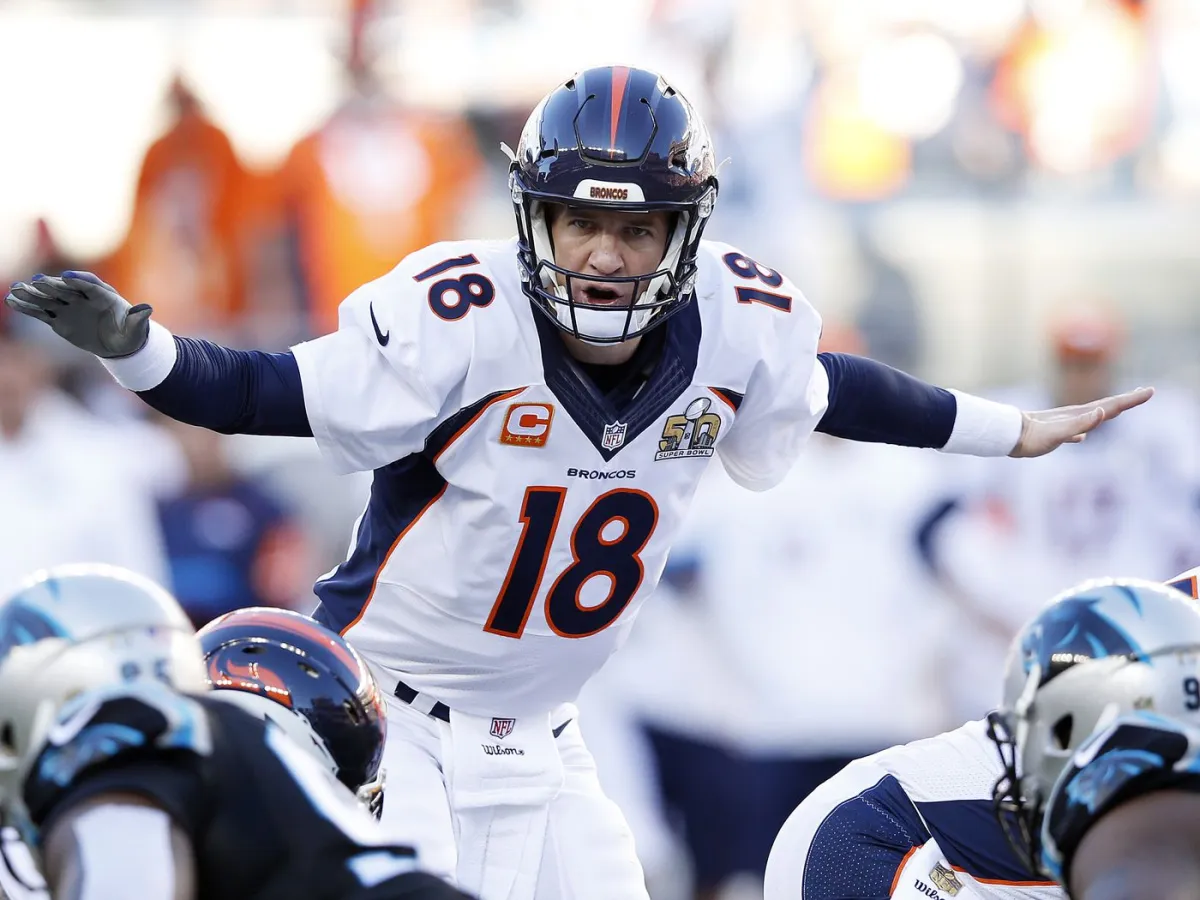 Photo: Peyton Manning, via cdn.vox-cdn.com
Kiper's still working, and Leaf's professional career lasted four turbulent seasons. Meanwhile, Manning went on to win two Super Bowls and rewrite the record books. The lesson? Even when experts hedge their bets by calling two players equally great, one of them is usually wrong.
JaMarcus Russell represents the ultimate cautionary tale about physical tools versus mental makeup. The Oakland Raiders made him the first overall pick in 2007 after he impressed scouts with his cannon arm and 6'6" frame. What they couldn't measure in workouts was his work ethic and football IQ.
Russell's three-year NFL career included more controversies than touchdown passes. The Raiders invested $39 million in guaranteed money for a quarterback who couldn't read defenses and reportedly showed up to meetings with blank DVDs when coaches asked him to watch game film.
The Diamonds in the Rough
Tom Brady's draft story has been told so many times it's become sports mythology, but it's worth remembering just how wrong everyone got it. Six quarterbacks were selected before Brady in the 2000 NFL Draft, including Giovanni Carmazzi, who never threw a regular season pass, and Spergon Wynn, whose career statistics look like a typo.
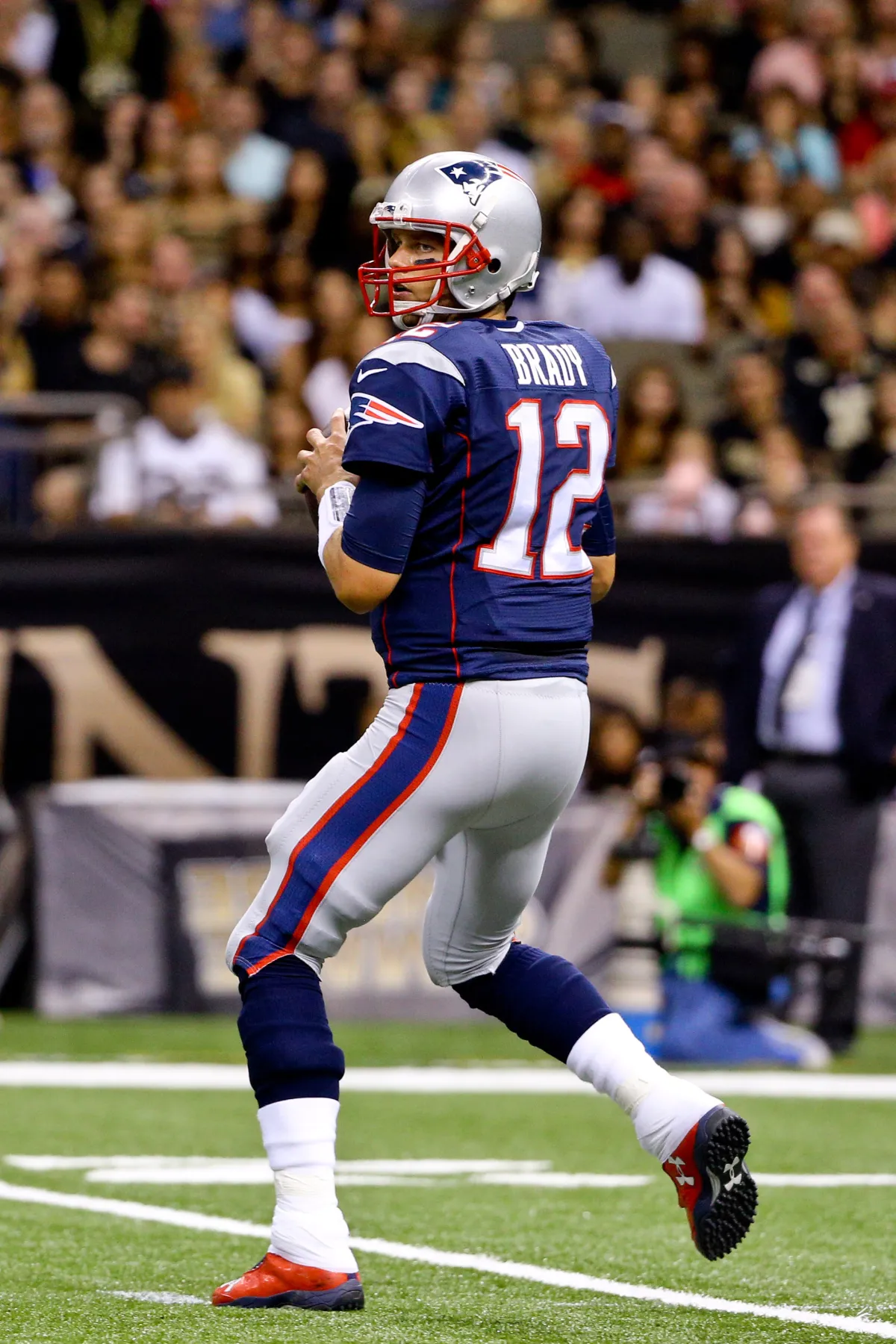 Photo: Tom Brady, via cdn.profootballrumors.com
The New England Patriots finally selected Brady with pick 199, and even they weren't sure what they had. Brady spent his rookie season as the fourth-string quarterback, which means three other players were ahead of him on the depth chart. Twenty-three years and seven Super Bowl rings later, Brady's draft position has become the ultimate example of how little anyone really knows about predicting success.
Draymond Green's path to NBA stardom started with him lasting until the 35th pick of the 2012 draft. Scouts saw an undersized power forward who couldn't shoot consistently from outside. What they missed was Green's basketball IQ, defensive instincts, and leadership ability that would make him the emotional core of a championship dynasty.
Green's draft night probably didn't generate much excitement among Golden State Warriors fans, but his impact on winning games proved more valuable than most lottery picks from that same draft class.
When the Hype Machine Goes Into Overdrive
Some prospects arrive with so much fanfare that failure seems impossible. Zion Williamson's college highlight reel at Duke made him look like a video game character—a 6'7" forward who could jump out of the gym and bulldoze through defenders like they were traffic cones.
The New Orleans Pelicans won the draft lottery and selected Williamson first overall, but injuries have limited him to just 114 games across four seasons. His per-game statistics are impressive when he's healthy, but availability is the most important ability in professional sports.
Williamson's career illustrates the cruel irony of draft predictions: sometimes the most talented players are the biggest risks, while the "safe" picks turn out to be boring but reliable.
The Art of Overthinking
NBA draft analysts have convinced themselves that they can predict success by measuring everything from wingspan to vertical jump to how a player performs in specific drill combinations. The 2013 draft provided a perfect case study in the limitations of this approach.
Giannis Antetokounmpo was selected 15th overall by the Milwaukee Bucks, largely because he was a developmental project from Greece whom most scouts had barely seen play. Meanwhile, players like Anthony Bennett (first overall) and Ben McLemore (seventh overall) checked every measurable box but never developed into consistent NBA contributors.
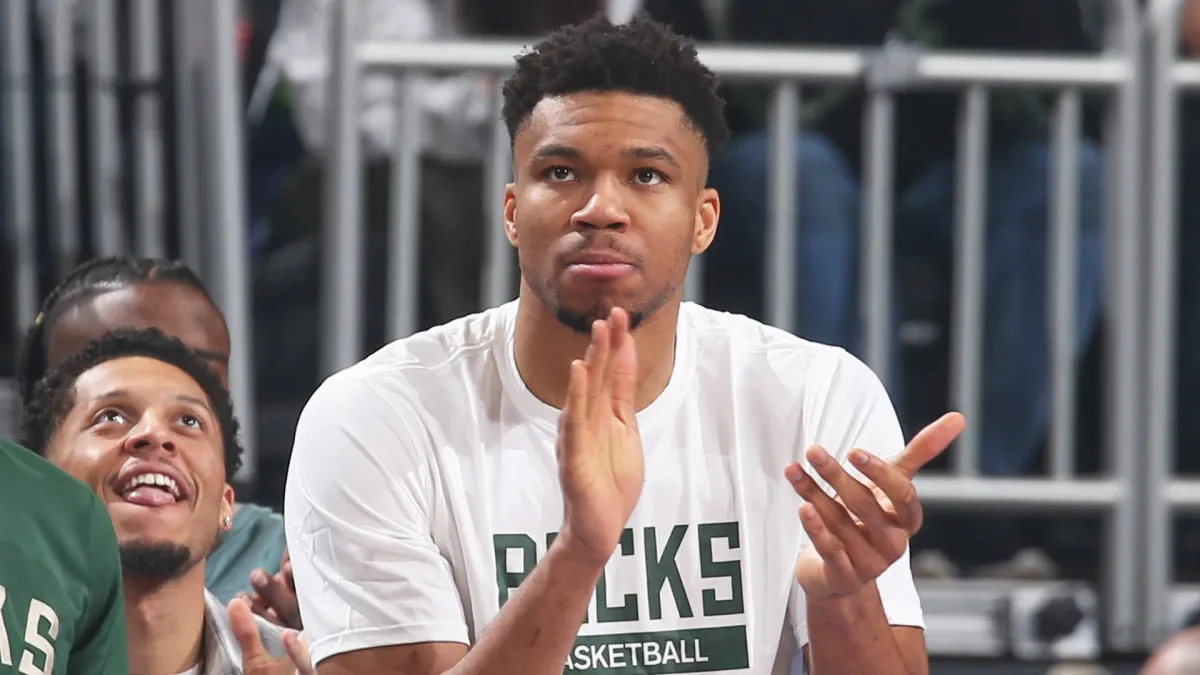 Photo: Giannis Antetokounmpo, via cdn.nba.com
Antetokounmpo won back-to-back MVP awards and led Milwaukee to their first championship in 50 years. His success came from intangibles that don't show up in pre-draft workouts: work ethic, basketball instincts, and the mental toughness to improve his weaknesses.
Baseball's Crystal Ball Problem
Baseball draft predictions might be even more unreliable than football or basketball because players typically spend years in the minor leagues before reaching the majors. By the time a draft pick succeeds or fails, everyone has forgotten what the experts predicted.
Mike Trout was selected 25th overall by the Los Angeles Angels in 2009, after teams passed on him for concerns about his size and whether his skills would translate to professional baseball. Trout has won three MVP awards and is widely considered the best player of his generation.
Meanwhile, Stephen Strasburg was the most hyped draft pick in baseball history when Washington selected him first overall in 2009. Strasburg has had a solid career, but injuries and inconsistency prevented him from reaching the superstar level everyone predicted.
The Prediction Game Never Gets Old
Every draft season, the cycle repeats itself. Analysts study game film, interview coaches, and create elaborate ranking systems that make their predictions seem scientific and reliable. Then the games begin, and reality reminds everyone that sports are played by human beings, not spreadsheets.
The annual ritual of draft predictions isn't really about accuracy—it's about hope. Fans want to believe their team has discovered the next superstar, and analysts feed that optimism with confident proclamations about can't-miss prospects and hidden gems.
The beauty of draft day isn't in getting the predictions right; it's in the reminder that sports are fundamentally unpredictable. In a world where data analytics claim to have answers for everything, the draft represents pure chaos theory in action.
Every bust was once somebody's sure thing. Every superstar was once an overlooked prospect. And every expert prediction is just an educated guess dressed up as certainty. That's not a bug in the system—it's the feature that makes sports worth watching.