No Neutral Fans, No Safe Predictions: The Case for College Football Rivalry Week as America's Greatest Sports Spectacle
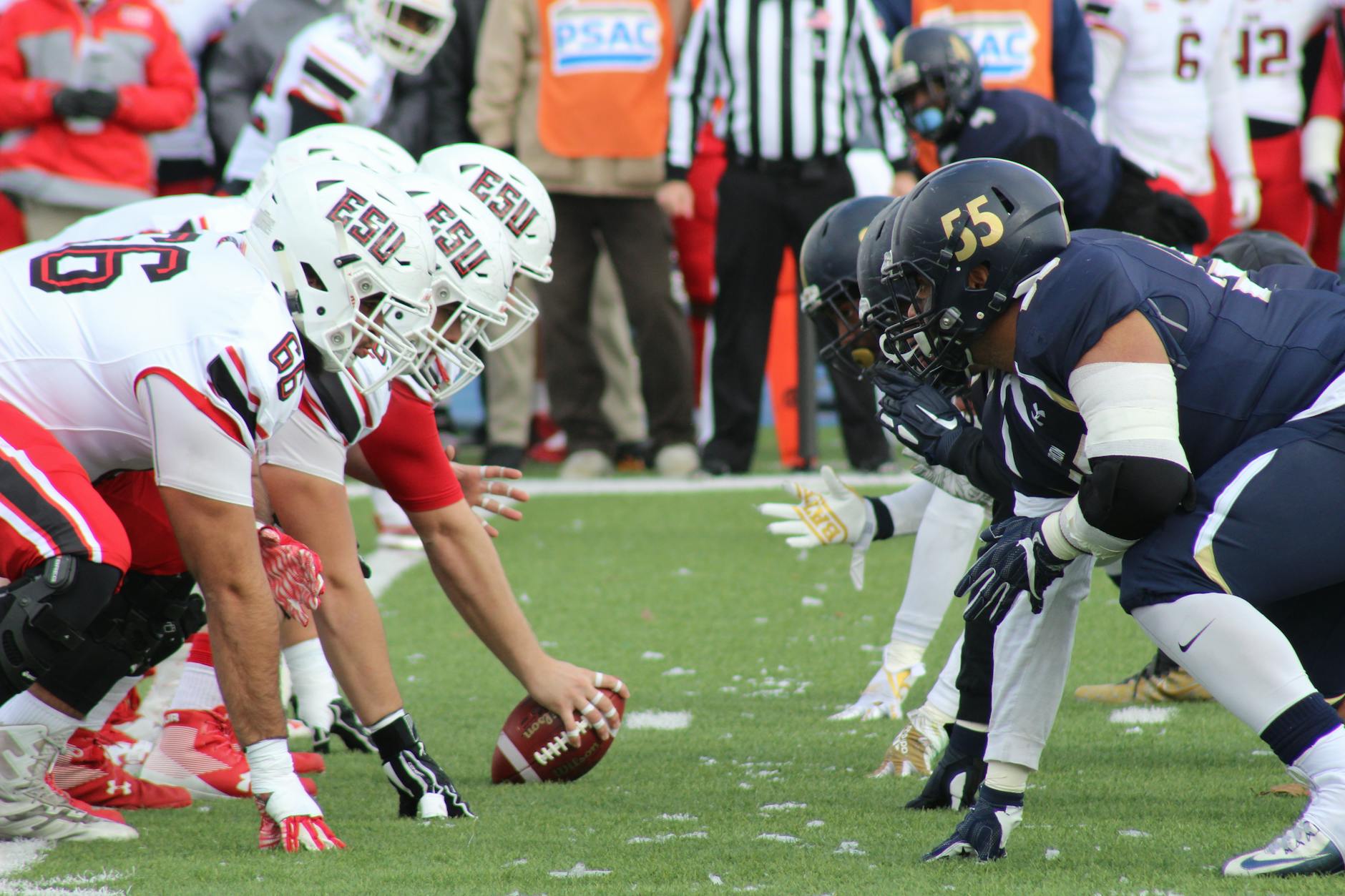
No Neutral Fans, No Safe Predictions: The Case for College Football Rivalry Week as America's Greatest Sports Spectacle
Forget neutral sites. Forget corporate sponsorships and curated playoff atmospheres. Forget the carefully managed media narratives and the predictable outcomes that follow seeding logic.
College Football Rivalry Week operates on a completely different frequency. It's loud, unpredictable, emotionally violent, and occasionally transcendent in ways that remind you why sport exists in the first place. And if you're not paying attention to it, you are genuinely missing some of the best moments American sports has to offer.
Let me make the case.
The Stakes Are Personal, Not Just Scoreboard
Here's what separates rivalry week from almost everything else on the sports calendar: the people in those stadiums aren't just fans of a team. They're fans of an identity.
When Ohio State and Michigan meet on the last Saturday in November, the people in those stands have been waiting 364 days for this specific moment. Not for a conference championship. Not for a playoff spot — though those things are often on the line too. For this. For the chance to beat the team across the state that their family has hated since before they were born.
That's not a metaphor. College football rivalries are genuinely generational. Grandparents pass them down to grandchildren like heirlooms. Families have been split down the middle by these allegiances for a hundred years. The stakes aren't abstract — they're lived in, felt in the gut, carried through every single week of the season until this one.
No professional sports rivalry, however intense, quite replicates that. The NFL's biggest rivalries are compelling. The NBA's are fun television. But they don't reach into communities and families and regional identity the way a college football rivalry does. When Michigan beats Ohio State, entire towns feel it. When Alabama defeats Auburn in the Iron Bowl, the silence in parts of that state is genuinely eerie.
That's not fanaticism. That's culture.
The Upsets That Rewrote History
Rivalry week produces more upsets, more chaos, and more genuinely shocking results than any other stretch of the college football calendar. And that's not a coincidence — it's a feature.
When two teams hate each other this much, rankings and records become almost irrelevant. The 2007 Appalachian State upset of Michigan wasn't a rivalry game, but the Iron Bowl has produced moments that rival it for sheer disbelief. The 2013 edition — Auburn vs. Alabama — ended with a 109-yard missed field goal return for a touchdown as time expired. One play. The entire national championship picture reshuffled in the span of five seconds.
That game, known simply as the Kick Six, isn't just a college football moment. It's a sports moment. The kind that gets played in highlight reels decades later, the kind that makes people who weren't even watching it pull up the clip on their phone and feel their pulse quicken. The kind that reminds you sport is capable of producing something genuinely extraordinary.
Ohio State vs. Michigan has its own catalog of these moments. The 1969 upset. The 1995 game that derailed Michigan's unbeaten season. The 2016 double-overtime thriller that swung Big Ten title implications and eventually CFP positioning. Year after year, the game that should theoretically be predictable — given the talent disparity that sometimes exists between the programs — refuses to be.
Because when it's rivalry week, talent isn't the only thing on the field.
The Atmosphere That Pro Sports Simply Can't Buy
There's a reason the phrase "college football atmosphere" is its own category of experience. The Horseshoe in Columbus. Bryant-Denny Stadium in Tuscaloosa. The Big House in Ann Arbor. Tiger Stadium in Baton Rouge on a night game. These aren't just venues — they're environments that have been cultivated over generations into something almost intimidating in their intensity.
And during rivalry week, that intensity gets dialed up to a level that's hard to describe to someone who hasn't felt it. The noise. The colors. The traditions that seem bizarre to outsiders but feel sacred to everyone inside those gates. The student sections that have been camped out for days. The alumni who flew across the country for this one game.
Professional sports stadiums are loud. College football stadiums during rivalry week are alive.
The difference is participation. At an NFL game, you're a spectator. At Ohio State-Michigan, you feel like a participant — like the noise you're making and the energy you're bringing actually matters to what happens on the field. Whether that's literally true or not, the belief in it creates something real and collective and genuinely moving.
It's Bigger Than Football
The most compelling argument for rivalry week as America's greatest sports spectacle is actually the simplest one: it means something beyond the game.
When the final whistle blows on The Game — as Ohio State-Michigan is simply known — the result echoes through those communities for an entire year. It shapes conversations, fuels trash talk, informs how alumni interact with each other at work and at family gatherings. The winning side carries a particular lightness into the winter. The losing side carries a weight that doesn't fully lift until the following November.
No single week in American sport does that to this many people in this many places simultaneously. NBA Finals games are huge events. The Super Bowl is a cultural institution. But rivalry week is distributed — it's happening in Ohio and Alabama and Texas and Florida and Michigan and a dozen other states all at once, each game carrying its own century of history and its own cast of characters and its own electric, unscripted drama.
That's not just a great week of football. That's a genuine piece of American culture.
Show Up for Rivalry Week
If you're a casual sports fan who hasn't fully bought into college football, rivalry week is the best possible entry point. You don't need to know the depth chart. You don't need to understand conference tiebreaker scenarios. You just need to tune in and let the atmosphere do the work.
Because at some point during rivalry week — maybe it's a last-second field goal, maybe it's a fourth-quarter comeback that defies all logic, maybe it's just the roar of 100,000 people reacting to a single play — you're going to feel something.
And that feeling is exactly why we watch.