David vs. Goliath: The Blueprint Behind America's Greatest Sports Upsets
There's nothing in sports quite like watching the impossible happen in real time. One minute you're watching what should be a routine victory for the favorite, and the next you're witnessing history being made by a team that wasn't supposed to have a prayer.
American sports are built on these moments. The upsets that make casual fans into lifelong believers, the victories that get replayed for generations, the games that prove why we keep watching even when the outcome seems predetermined.
But here's the thing about the greatest upsets in American sports history – they're not really random at all. Look closely enough, and you'll find a surprisingly consistent blueprint that underdogs have been following for decades.
The Perfect Storm: When Everything Aligns
The greatest upsets don't happen in a vacuum. They require a perfect storm of circumstances that transform ordinary underdogs into giant-killers. The 1980 U.S. Olympic hockey team didn't just beat the Soviet Union through luck – they caught a legendary team at exactly the right moment.
The Soviets were overconfident, the Americans were playing with nothing to lose, and the atmosphere at Lake Placid created something magical. But beneath all the emotion and patriotism was a simple truth: the Americans had prepared for this exact moment, while their opponents assumed talent alone would be enough.
 Photo: Lake Placid, via www.getawaymavens.com
This pattern repeats throughout sports history. The underdog that wins isn't just lucky – they're prepared. They've studied their opponent's weaknesses, developed a specific game plan, and convinced themselves they belong on the same field.
The Momentum Shift: When Belief Becomes Reality
Watch any great upset unfold, and you'll notice a specific moment when everything changes. It's not always a spectacular play – sometimes it's as simple as a defensive stop or a lucky bounce. But whatever happens, it creates a shift in momentum that changes how both teams see the game.
The New York Giants' victory over the 18-0 Patriots in Super Bowl XLII perfectly illustrates this phenomenon. The moment David Tyree made his helmet catch, you could feel something change. The Patriots went from looking invincible to looking vulnerable, while the Giants transformed from overmatched underdogs into believers.
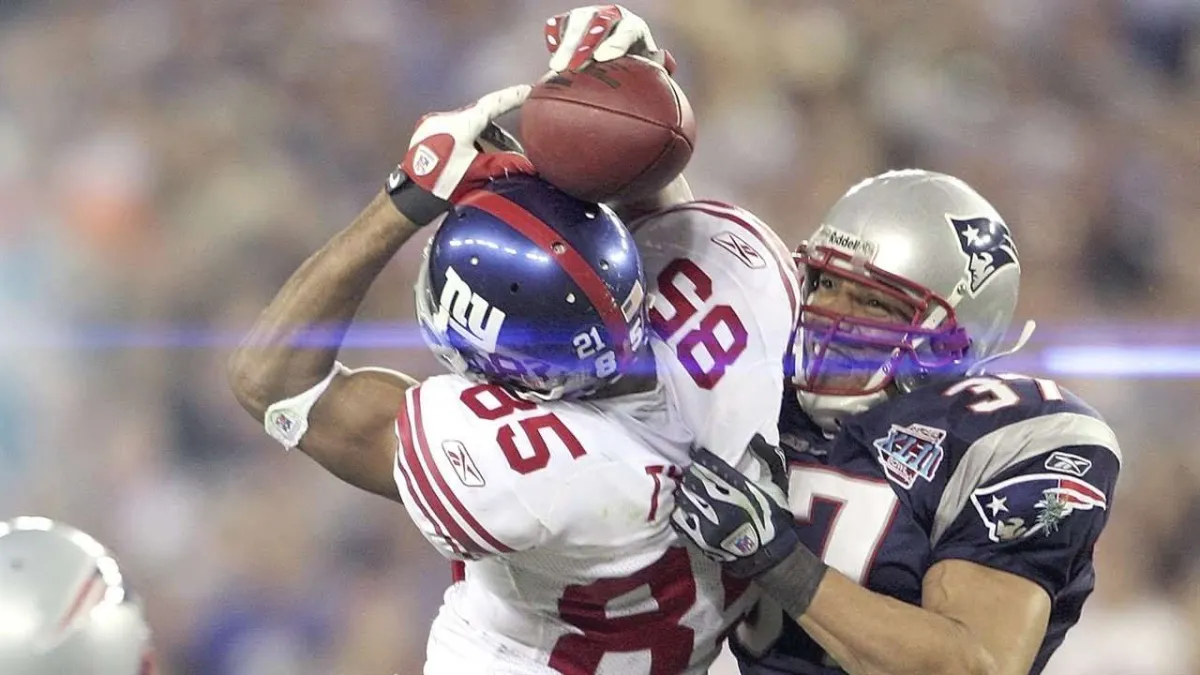 Photo: David Tyree, via i80sportsblog.com
These momentum shifts are crucial because they level the psychological playing field. Once the underdog starts believing they can win, and the favorite starts doubting themselves, talent gaps become much less important.
The Pressure Flip: When Expectations Become Weapons
One of the most powerful weapons underdogs possess is the ability to flip pressure back onto their opponents. While favorites deal with the weight of expectations, underdogs get to play with house money. This psychological advantage can be devastating in crucial moments.
Look at Leicester City's Premier League triumph or the Golden State Warriors losing to Cleveland after going up 3-1. In both cases, the favorites had everything to lose while their opponents had already exceeded all expectations. That freedom can be intoxicating for underdogs and paralyzing for favorites.
The best upset artists understand this dynamic and use it ruthlessly. They embrace their underdog status, play loose and aggressive, and force their opponents to deal with the mounting pressure of potentially losing to a "lesser" team.
The Tactical Masterpiece: Outthinking Superior Talent
Behind every great upset is usually a coaching staff that found a way to neutralize their opponent's biggest advantages. These aren't just lucky breaks – they're strategic masterpieces that exploit specific weaknesses most people never noticed.
The 2007 Giants didn't just get lucky against the Patriots – they developed a pass rush strategy that consistently pressured Tom Brady and disrupted the Patriots' timing-based offense. Similarly, the 2016 Cleveland Cavaliers didn't just outplay Golden State – they made strategic adjustments that turned the Warriors' small-ball advantage into a liability.
These tactical victories prove that preparation and intelligence can overcome raw talent. The underdogs that win big games aren't just hoping for the best – they're executing specific plans designed to give them the best chance to succeed.
The Human Element: When Stories Write Themselves
The greatest upsets in American sports often involve more than just X's and O's – they tap into something deeper about the human spirit. These are the victories that resonate because they represent more than just one team beating another.
Think about the 1983 NC State basketball team's run to the national championship, or the 2004 Boston Red Sox finally beating the Yankees after 86 years of heartbreak. These weren't just upsets – they were stories about perseverance, redemption, and the power of believing in something bigger than yourself.
The teams that pull off the most memorable upsets understand this narrative power and use it to fuel their performance. They're not just playing for themselves – they're playing for everyone who's ever been counted out or overlooked.
The Execution Factor: When Underdogs Play Perfect
Here's the truth about great upsets: they almost always involve the underdog playing near-perfect football while the favorite makes crucial mistakes. It's not enough to just show up and hope for the best – underdogs have to execute at an extraordinarily high level when it matters most.
The 2008 Giants didn't just get lucky against the Patriots – they played mistake-free football while New England committed crucial errors at the worst possible times. The underdog that wins usually combines perfect execution with their opponent's uncharacteristic struggles.
This is why the greatest upsets feel so satisfying to watch. It's not just about luck or flukes – it's about watching a team rise to an occasion that seemed beyond their reach and execute when everything is on the line.
Why These Moments Define American Sports
These upset victories represent something fundamental about American sports culture. They're proof that preparation, heart, and execution can overcome superior talent and resources. They remind us why we watch games instead of just looking at roster comparisons.
More importantly, they create the kind of shared memories that bind sports fans together across generations. Everyone remembers where they were when they watched the impossible happen, and those moments become part of the fabric of American sports history.
The next time you're watching a game where the outcome seems predetermined, remember that the greatest moments in sports history happened when someone refused to accept that the script was already written. Sometimes, the underdog really does have a chance – and when they seize it, magic happens.